SearchNSL
 ZUM POST
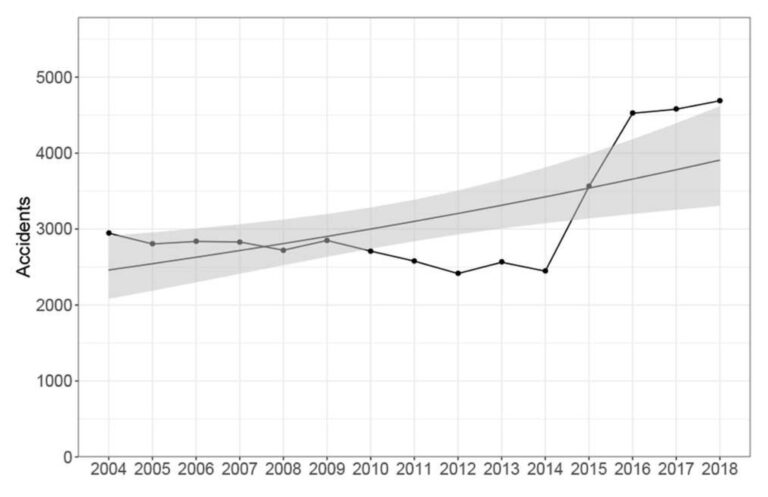
Identifying Changes in Bicycle Accident Trends Using GIS and Time Series Information in the City of Zürich
This paper presents a case study based on accident reports from the Zurich City Police. Using a joint GIS and time series analysis based on negative binomial regression, the data is analyzed to identify trends in
 ZUM POST
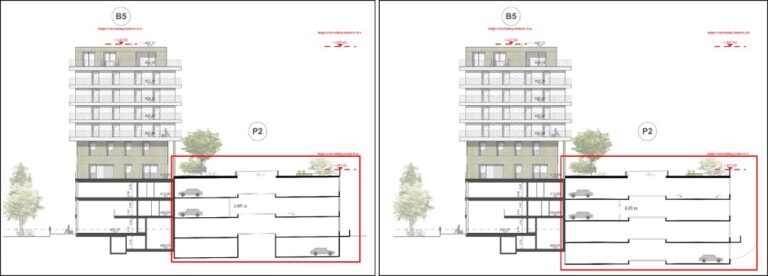
Considering Automated Vehicle Deployment Uncertainty in the Design of Optimal Parking Garages Using Real Options
Parking garages are often currently designed assuming that parking demand will be stable over their lifetime. The looming mobility shift towards automated vehicles (AVs), however, makes parking demand highly uncertain, with some scenarios leading to its
 ZUM POST
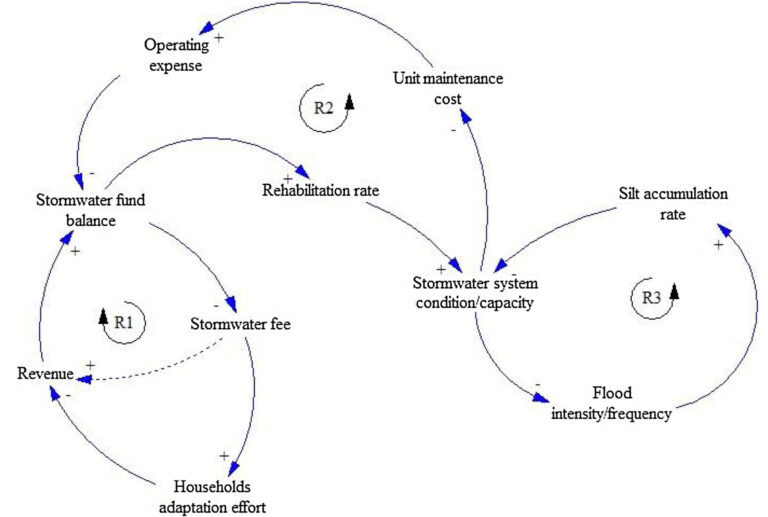
Sustainable Funding Strategies for Stormwater Infrastructure Management: A System Dynamics Model
Most cities in Canada do not charge a stormwater fee; consequently, stormwater programs may need to compete with other funding priorities in public works. This often leads to a lack of dedicated and predictable cash flow,
 ZUM POST
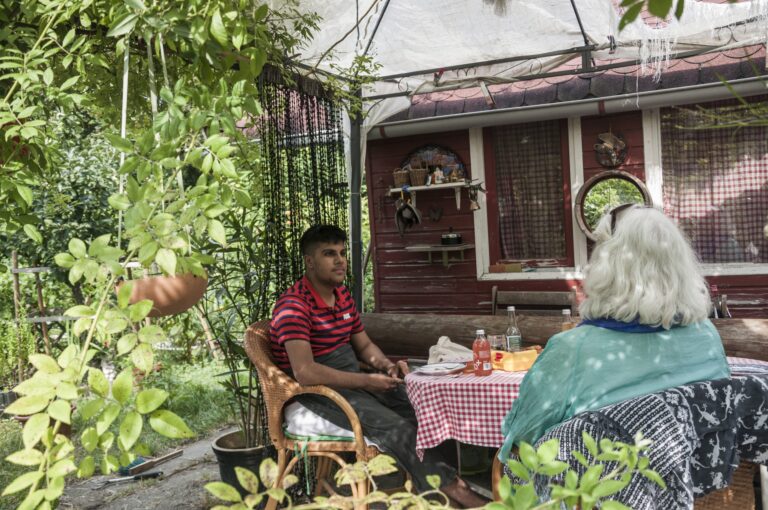
Generationenwohnen – von Erfahrungen innovativer Wohnprojekte lernen
Die Idee des Generationenwohnens hat heute hohe Konjunktur. Immer mehr Wohnprojekte setzen sich zum Ziel, das Zusammenleben und die Solidarität zwischen den Generationen zu fördern. Hierzu spielt Kommunikation eine zentrale Rolle und immer wieder gilt es
 ZUM POST
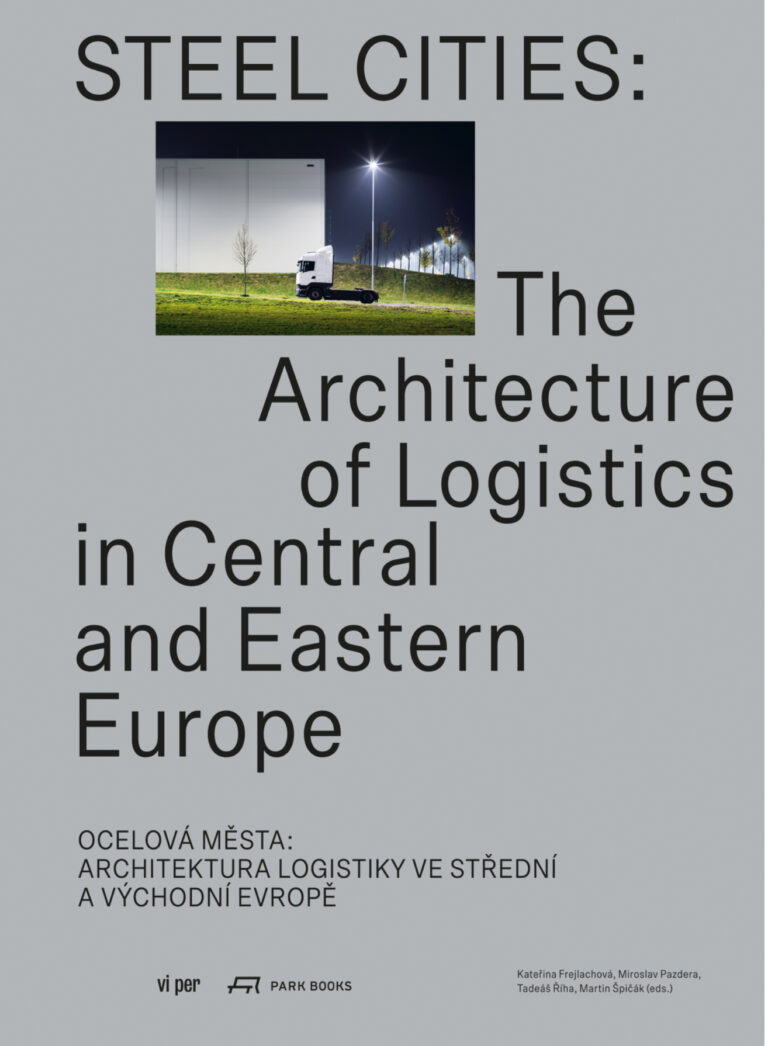
Who Builds the Steel Cities? On the Relationship Between Finance, Law, and Industrial Zones in Central and Eastern Europe
Production and manufacturing have shaped nations, cities, and urban environments worldwide. The rise of China as the leading global industrial power, the phenomenon of radical automation or the new cutting-edge developments in Silicon Valley, California, have
- ZUM POST
Aktualisierung Raum+ Kanton Obwalden
Raum+ schafft sachliche Grundlagen zur Übersicht von freien Baulandreserven. Im Kanton Obwalden wurde 2016 eine Ersterhebung durchgeführt. Im Sommer 2020 wurde der gesamte Perimeter aktualisiert. Dabei sind die Gespräche mit den Gemeindevertreter*innen ein zentraler Ansatz der
 ZUM POST
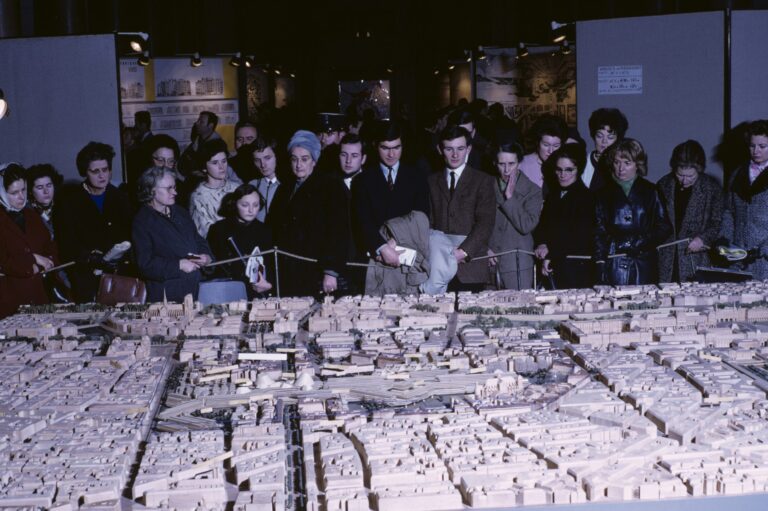
Exploring Urban Scale Models
Urban scale models are crucial for communicating urban design ideas between various stakeholders, from those directly involved in a project – e.g. client, developer, contractor, municipality – to the broader public. However, our knowledge about this
 ZUM POST
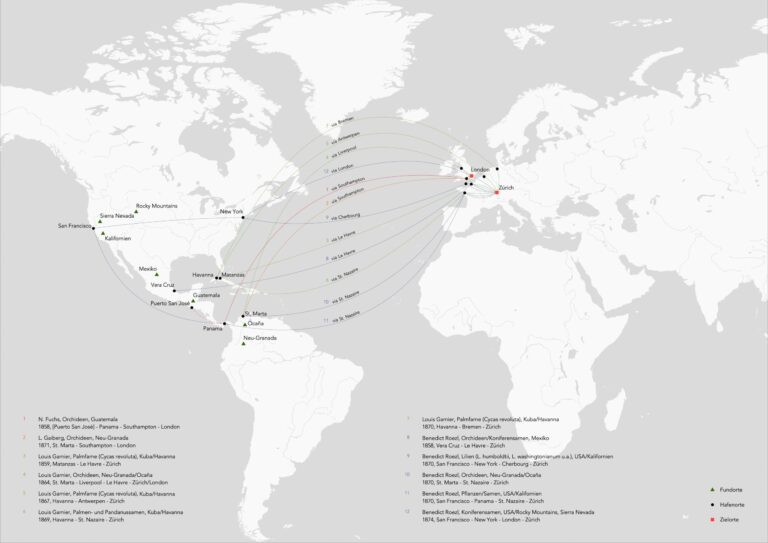
Von San Francisco bis Moskau. Der Botanische Garten Zürich als ein Drehkreuz im globalen Pflanzenhandel des 19. Jahrhunderts
Wie gelang es dem Botanischen Garten der Universität Zürich, in einem Land ohne Häfen, Kolonien und fernab der grossen Gartenbauzentren, durch Handel und Austausch neue Pflanzen einzuführen, in der Gartenkultur zu verbreiten und sich als Akteur
 ZUM POST
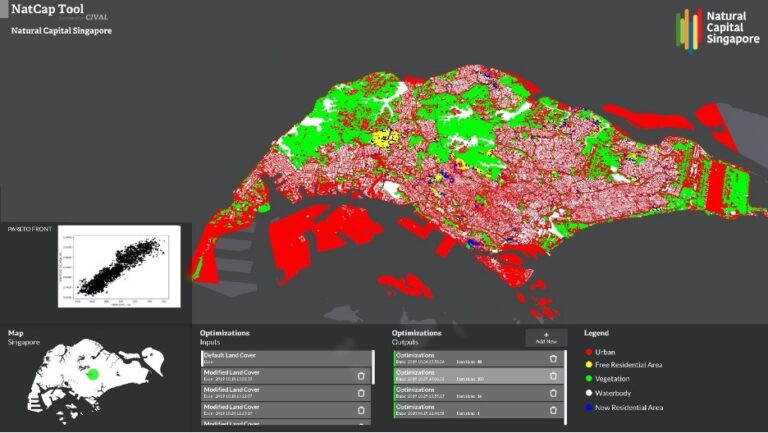
Participatory Multi-objective Optimization for Planning Dense and Green Cities
In many cities around the world, urban ecosystem services (UES) are under pressure. With a growing urban population, the pressure on UES in the remaining open spaces increases. The planning of new residential areas to accommodate
- ZUM POST
3D DSS for Supporting the Planning of Electric Power Systems
In a cooperation between the Institute of Cartography and Geoinformation (IKG) and the Chair of Planning of Landscape and Urban Systems (PLUS) a 3D Decision Support System (3D DSS) has been developed as a communication tool
 ZUM POST
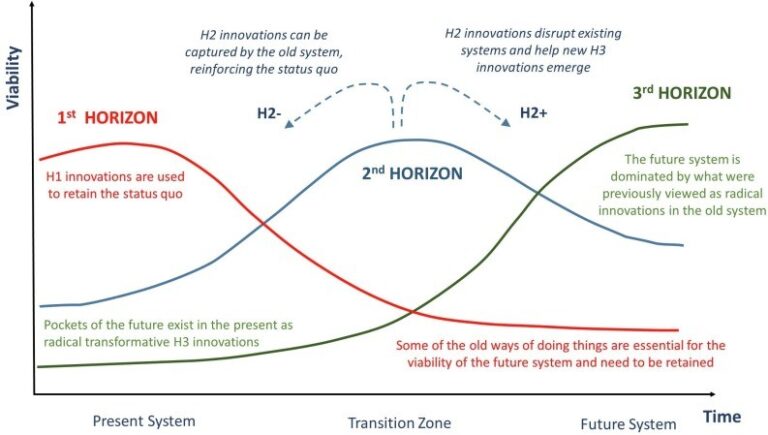
Transforming Knowledge Systems for Life on Earth: Visions of Future Systems and how to get there
Formalised knowledge systems are important but arguably failing humanity when their impact is measured against the level of progress being made in stimulating the societal changes needed to address challenges like climate change. In this research
 ZUM POST
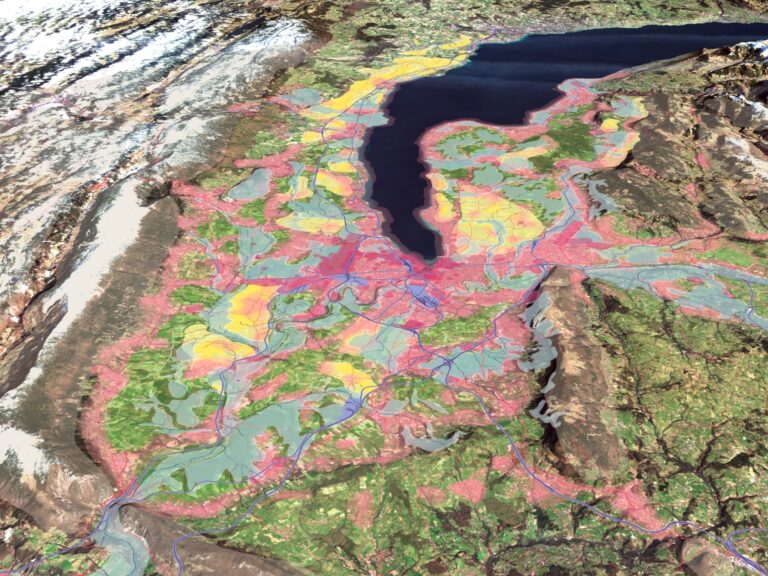
Bringing the Land Back into the City – Possibilities for Ecological Transition in Geneva
With a fast population increase and a high housing demand projected to continue in the coming decades, Geneva encounters a profound challenge. Since decades, the city has been spilling over across the national border. Urban growth