Prof. Hubert Klumpner | Architecture and Urban Design
A note from the professor:
While the arrival at ETH marks an important beginning in my academic and professional life, it also represents a reinvigoration of my past research and work. In general, the work of my team concerns both theoretical and practical applications within architecture and urban planning. Operating in global contexts by creating bridges between ‘First World’ industry and ‘Third World’, informal urban areas, we focus on the education and development of a new generation of professionals, who will transform cities in the 21st century.
We begin students’ research by looking at architecture’s failure to define informal urbanism and its effects on the city. Both our current research and the trajectory of our work over the past decade aim at increasing understanding of the informal city from three perspectives: From a humanitarian standpoint, urban shantytowns are wracked with problems; not the least of which are poverty and a lack of support from professionals. From a theoretical standpoint, informality is a complex, non-linear system in which patterns intersect and mutate in unexpected ways. From a design standpoint, the “informal” can serve as a laboratory for the study of adaptation and innovation.
We propose an experimental research and teaching methodology that rethinks the former physical limitations of contemporary architecture and shifts the emphasis from form-driven to purpose-oriented social architecture. Such social architects eschew their conventional role in traditional hierarchies, and instead serve as an enabling connection between the opposing forces of top-down planning and bottom-up initiatives.
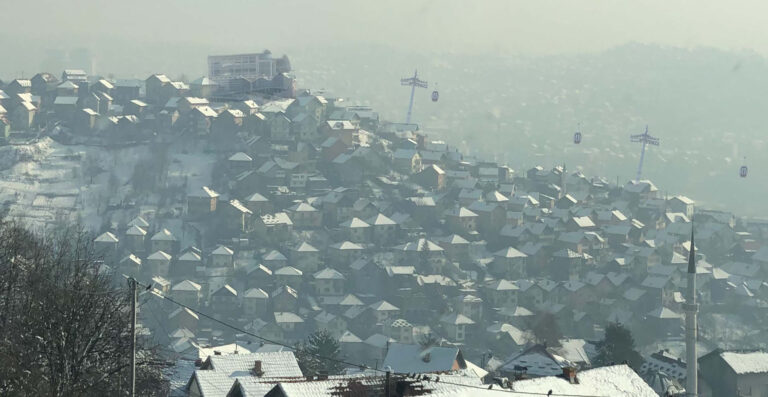
Urban Transformation Project Sarajevo (UTPS)
The Urban Transformation Project Sarajevo (UTPS) aims to support the modernisation of the integrated urban planning system in Sarajevo Canton, and the creation of better conditions for sustainable climate resilient socio-economic development. The project is
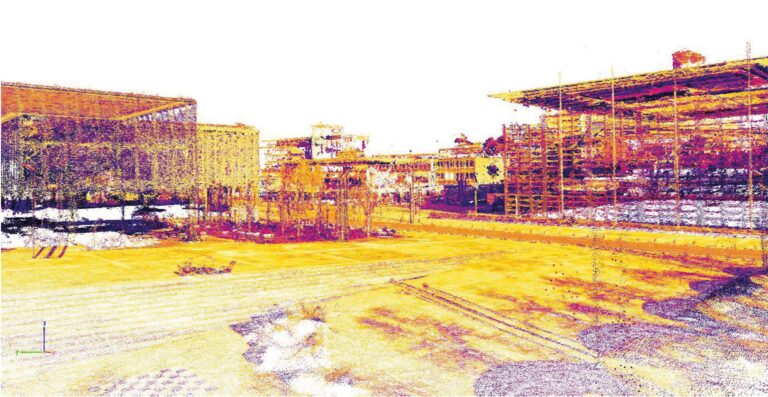
Daylight in Sustainable Urban Design
By 2050, up to six billion people are expected to live in urban areas, accelerating urban growth and increasing densification. The challenges here are the reduction of open and green spaces, the
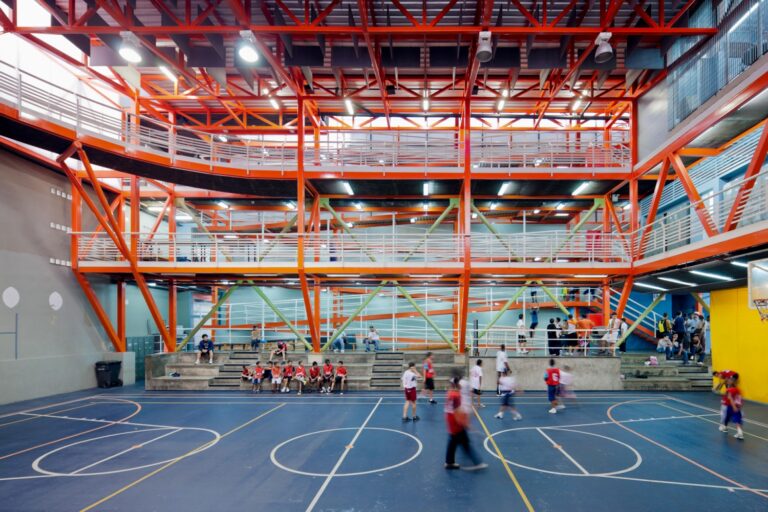
Vertical Gymnasium (Gimnasio Vertical™)
This project is a prefabricated construction system that explores a modular, structural and vertical arrangement of a series of track and field sports (volleyball, martial arts, running track, weight lifting area, basketball,
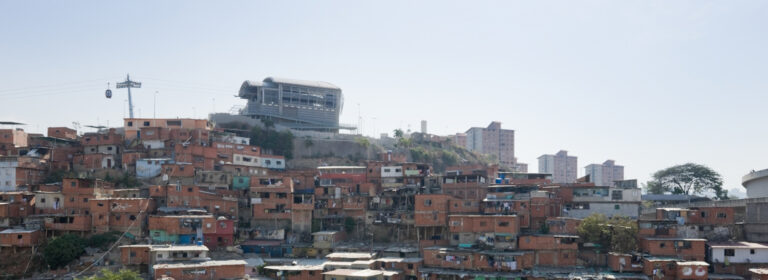
Caracas Metro Cable
Previous experience has shown that the residents of the barrios in Caracas are well-informed and knowledgeable, and possess a firm understanding of what their communities need most, even if untutored in the
Lecuna Avenue Revitalization
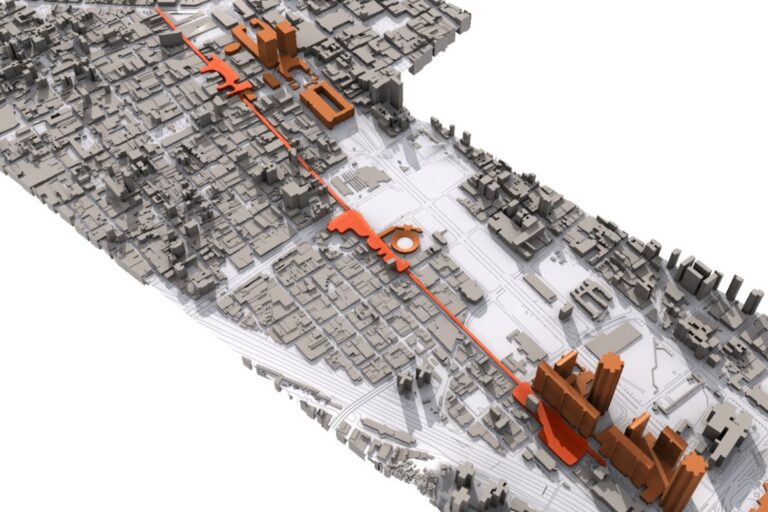
Lecuna Avenue Revitalization project is a master plan linked to the Metro Cable San Agustin; it aims to recover abandoned sites leftover from the construction of Caracas Metro’s Line 4, in order
Hoograven Invites You
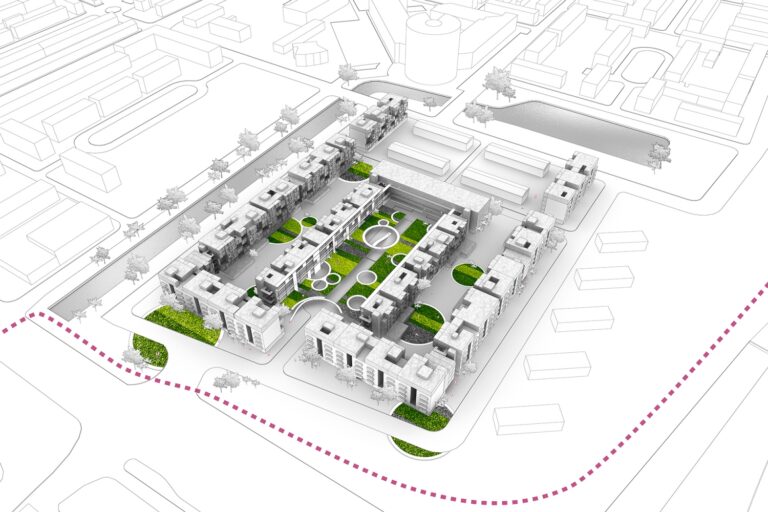
In Hoograven Invites You, project presented last year with the Utrecht Manifest, urban Morocco and urban Holland were compared to extend the frontiers of knowledge regarding the quality of urban environments and
Torre David
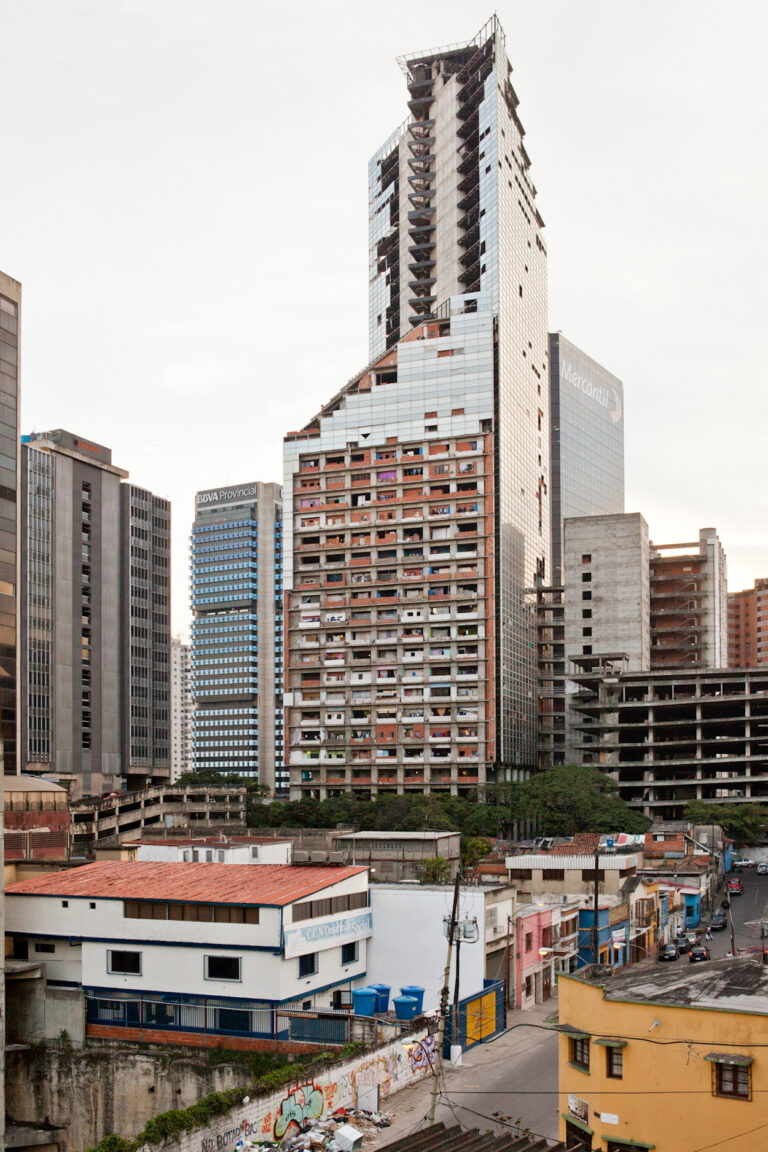
Bottom-up strategies are one way to address prevailing urban scarcities. Torre David, a 45-story office tower in Caracas, was almost complete when it was abandoned following the death of its developer and
Empower Shack
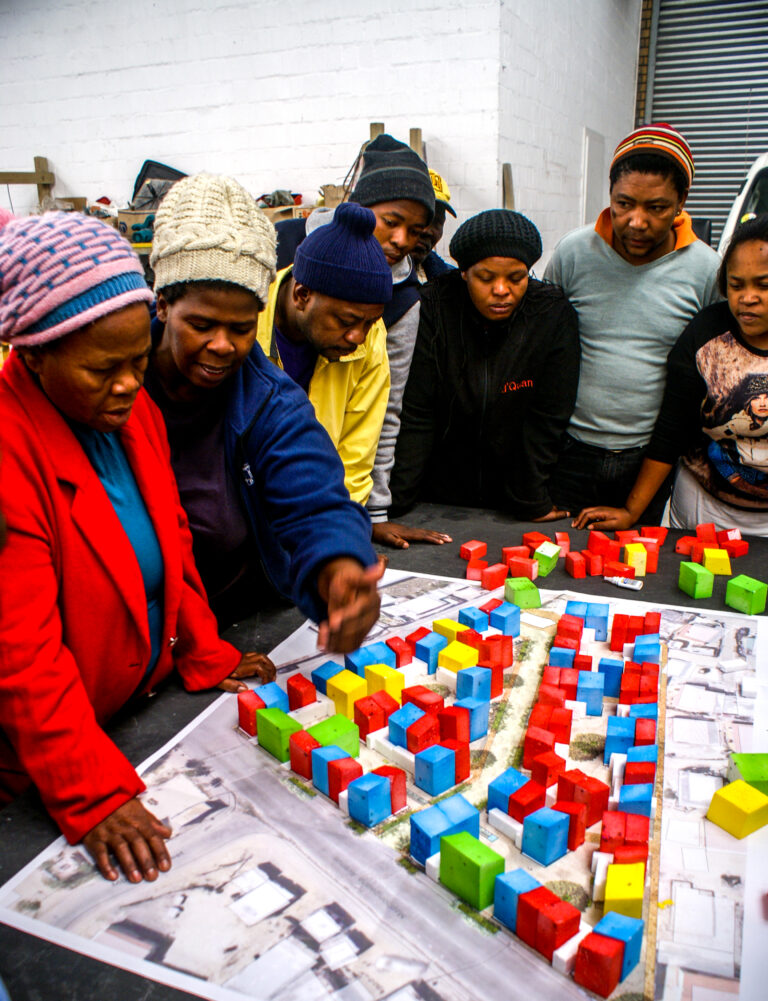
While South Africa is usually seen as a source of stability and prosperity in its region, approximately 7.5 million people live in informal settlements and the country faces an overall housing shortage
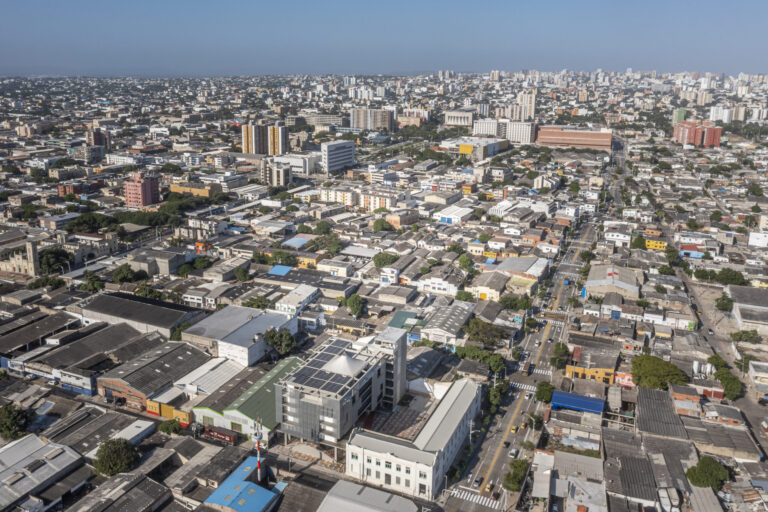
Barranquilla
Developed by a group of researchers of the LUS Chair of Architecture and Urban Design, Prof. Hubert Klumpner, and supported by the groups of ITA, Prof. Dr. Arno Schlueter and Prof. Dr.
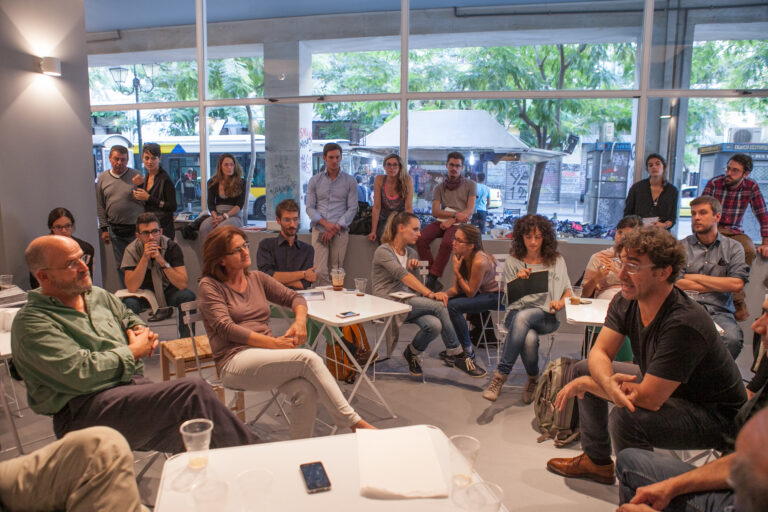
Reactivate Athens
Capital flight, debt, and crisis have left visible scars on the face of the built environment in cities world-wide. In central Athens, endemic vacancy, a deteriorating building stock, and a fragmented urban