Prof. Dr. Tom Avermaete | History and Theory of Urban Design
Knowledge about cities is crucial. More than half of the world’s population currently lives in urban areas and, as a result, the history and theory of urban design is undergoing a phase of rich experimentation. The Chair of the History and Theory of Urban Design accordingly investigates the histories and theories of urban development as critical and prospective capacities, which can forge connections in the present between the past and the future.
The chair explores urban design through three main foci. First, it approaches urban design as material culture, and posits that urban design is not only a set of intangible ideas and concepts but also a knowledge field of material resources, craftsmanship and construction. Secondly, inspired by the diversity and shifting geographies of global urbanisation, the chair broadens the scope of urban design as a cross-cultural knowledge-field by integrating urban design experiences beyond the Euro-American. Finally, the chair conceives of urban design as a common matter. It postulates that the development of cities is as much a prerogative of citizens as of designers, constructors and developers.
The Chair of the History and Theory of Urban Design offers a range of lectures and seminars which explore these three foci, and conducts research projects that sharpen our understanding of the histories, contemporary conditions and future possibilities of urban development. It aims to reclaim the history of urban design as a cross-cultural field of knowledge that engages with the architecture of the city as an integrator of scientific, economic and technical innovation, as well as of social and cultural progress.
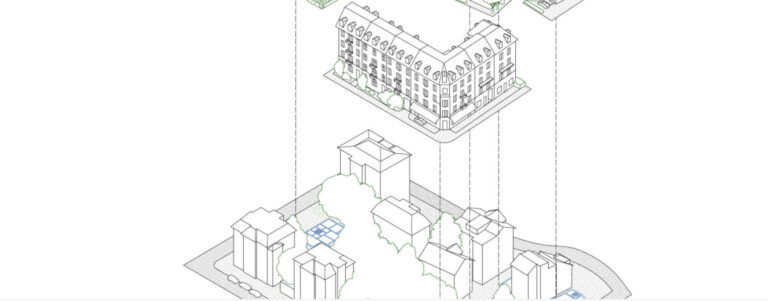
Codes and Conventions for Future Zurich: A Propositional Planning Approach to Qualitative Densification
This 4-year project uniquely combines historical and design-led research to explore urban strategies for housing the anticipated 25% population increase that Zurich is facing in the next 20 years. A ‘retroactive analysis’
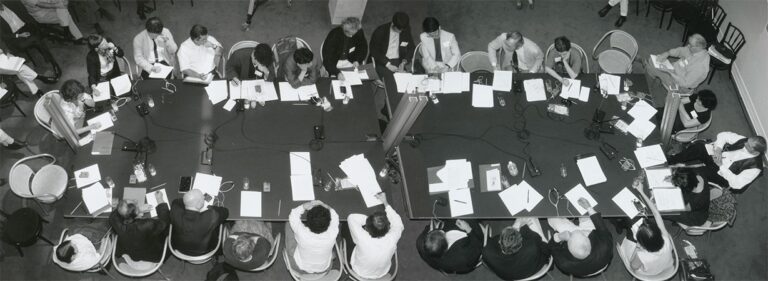
Unlocking the ‘Contact Zone’. Towards a New Historiography of Architecture
This research project seeks to develop a new method of writing the history of post-WWII architecture, reflecting the complexities of globalisation and its influence on the built environment. The project investigates an
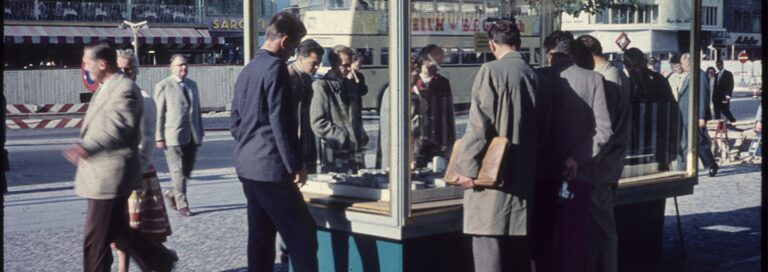
Exploring Urban-Scale Models: The Projets Urbains and the Performance of the Maquette, 1960s till Today
Little research exists on urban-scale models. In existing scholarship, they are often lumped together with architectural models. Although urban-scale models certainly possess characteristics that are similar to those of architectural models, they
An Architecture World: The Tacit in Recent Architectural Pedagogy at ETH Zurich
The tacit dimension of architectural pedagogy—which students deploy when designing, but have trouble explaining—remains understudied, beset by methodological difficulties. Existing accounts emphasize isolated studio exercises or cognitive processes, often neglecting cultural, historical,
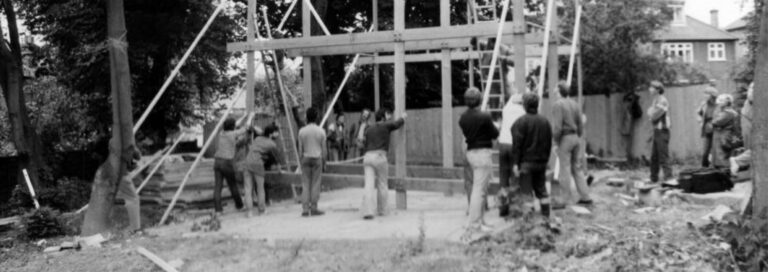
Building the Commons. An Alternative Architectural History of the European City
Alternative principles of pooling common resources are attracting increased attention in political circles and society at large. Labelled as “commons”, some of these issues have, in the last decades, received growing academic
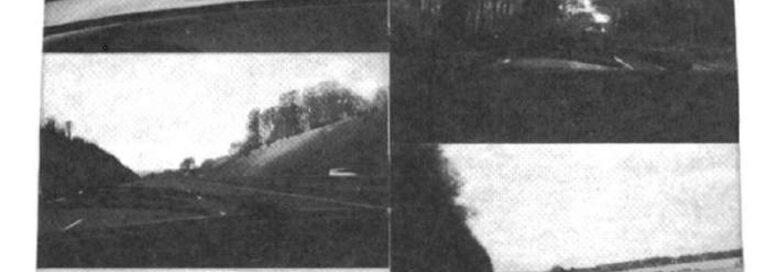
The Travelling Architect’s Eye: Photography and Automobile Vision
This research project aims to investigate the status of the photographs that architects take during their travels by car. It is based on the hypothesis that the view from the car has
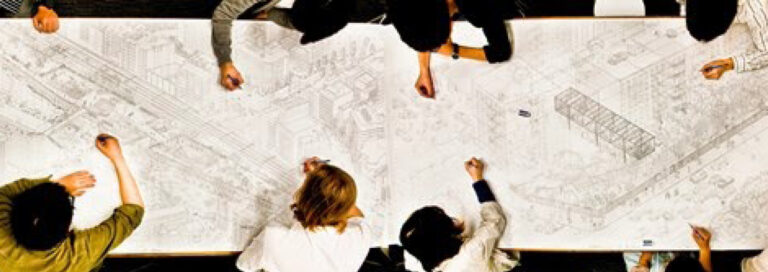
Architectural Expertise in a World-in-Common
Architectural and urban design are activities embedded in a socio-spatial and political context. Harvard Professor of Urban Planning Susan Fainstein, therefore, challenges theories of planning—and, with that, architectural and urban design—to address
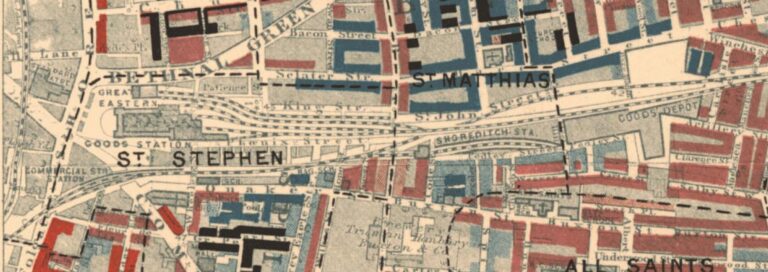
Collective Grounds: Housing Estates and the European City, 1865–1930
The current postdoctoral research project focuses on the relation between cities and urban housing estates, understood as ensembles of two or more, medium-density to high-density, primarily residential buildings, conceived at the same
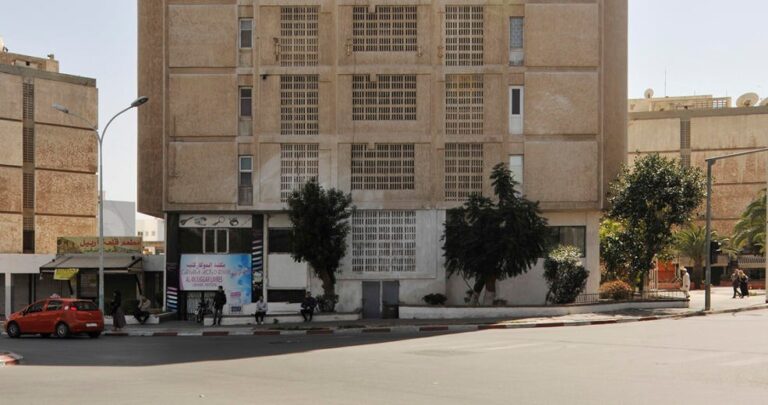
Agadir. The Commons and the Modern Afropolis
After Agadir (Morocco) was destroyed by a devastating earthquake in 1960, the city developed a modern and innovative plan for its reconstruction that relied on novel urban typologies and morphologies. This research
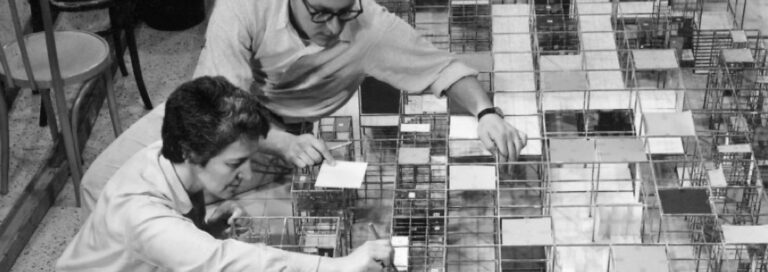
Communities of Tacit Knowledge: Architecture and Its Ways of Knowing
«Communities of Tacit Knowledge» focuses on the concept of «tacit knowledge» in architecture and urban design. Tacit knowledge is a specific type of knowledge that architects employ when designing, which is embodied

Tracing the Virus: the Balcony
In the past months, the freedom of movement of many citizens around the world has been restricted. As part of the attempt to mitigate the COVID-19 virus, people have been advised to
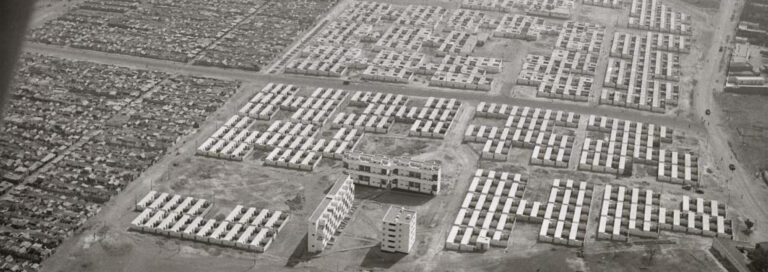
Urban Design as Cross-Cultural Practice. The Work of Michel Ecochard
The biography of Michel Ecochard (1905–1985) reads like a fascinating saga of migrations between geographies, cultures, and disciplines. Ecochard was not only trained in the fields of archaeology, architecture, and urbanism but,