Prof. Dr. Adrienne Grêt-Regamey | Landscape Planning and Urban Systems
PLUS: Planning of Landscape and Urban Systems
The goal of sustainable planning is to balance the use of natural resources against their availablity, in order to insure the ability of future generations to meet their own needs. Current spatial planning is, however, primarily concerned with the question of land use and disregards the question of resource availability in space and time. In Switzerland and worldwide, demand for economic and ecosystem services provided by the landscape is increasing as the world‘s population becomes urban, lifestyles change, and industrial agricultural practices intensifies. If one thus considers landscape performance in the context of sustainable development, then land use decisions have to be made after consideration of economic, social and ecological aspects.
The recently founded research unit PLUS focuses on developing and testing decision-support and planning systems for sustainable spatial development to foster understanding of how urban, peri-urban, and rural systems deliver essential services meeting economic, social, political and environmental demands. Research includes fundamental contributions to new integrative methodologies linking GIS and probabilistic approaches, new instruments for integrating the value of ecosystem services into regional economic development, and the investigation of GIS-based 3D landscape visualisations in participative approaches for human-nature interaction modeling.
Professor Grêt-Regamey‘s particular focus lies in integrating environmental considerations in spatial planning processes, risk-based decision-making for landscape and urban development, participatory approaches in landscape and environmental planning, including GIS-based 3D visualisation and modelling tools, and in solving inverse problems for sustainable spatial development.
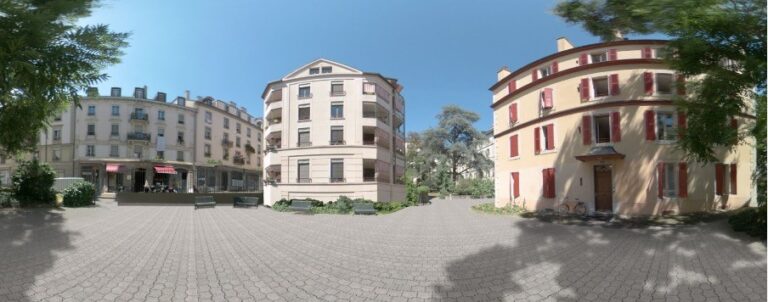
Difference-Oriented Urban Planning (DiffUrb)
Cities are characterized by a pluralism of people and uses. This fact is becoming increasingly relevant for the practice of urban planning. Any handling of differences regarding living conditions and spatial and
EMPHASES
Nature and biodiversity are not only essential for the existence of human societies, but are also threatened by the expansion of cities and transport infrastructure. As much as human societies depend on
GLOBESCAPE
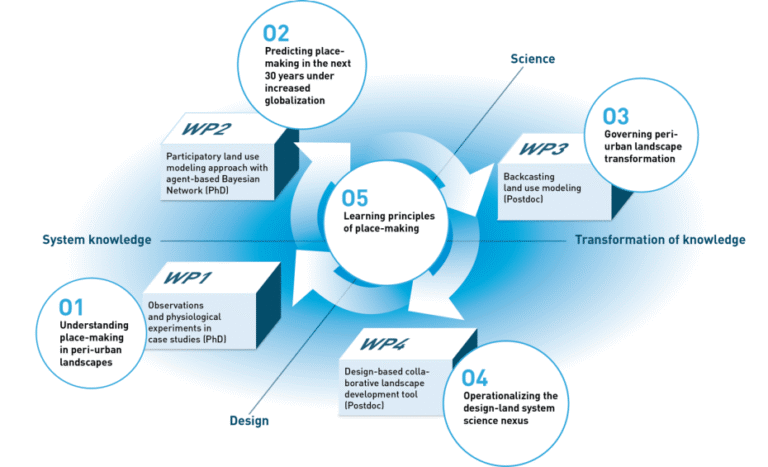
Enabling transformation: Linking design and land system science to foster place-making in peri-urban landscapes under increasing globalization. Unprecedented urbanization is threatening landscape diversity, bringing along new social and environmental problems. Standardized business
ValPar.CH
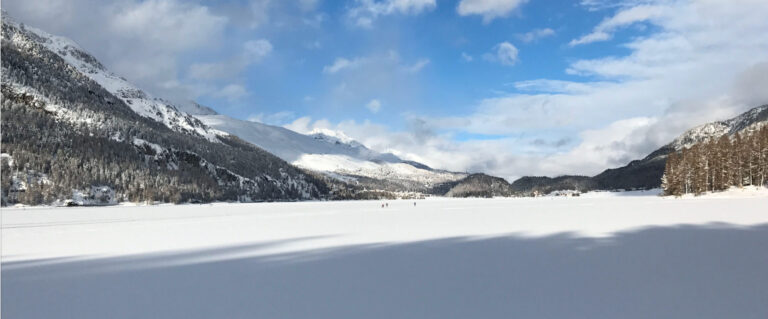
Values of the ecological infrastructure in Swiss parks Commissioned by the Swiss Federal Office for the Environment (FOEN), the interdisciplinary research team in charge of the research project ValPar.CH examines the benefits
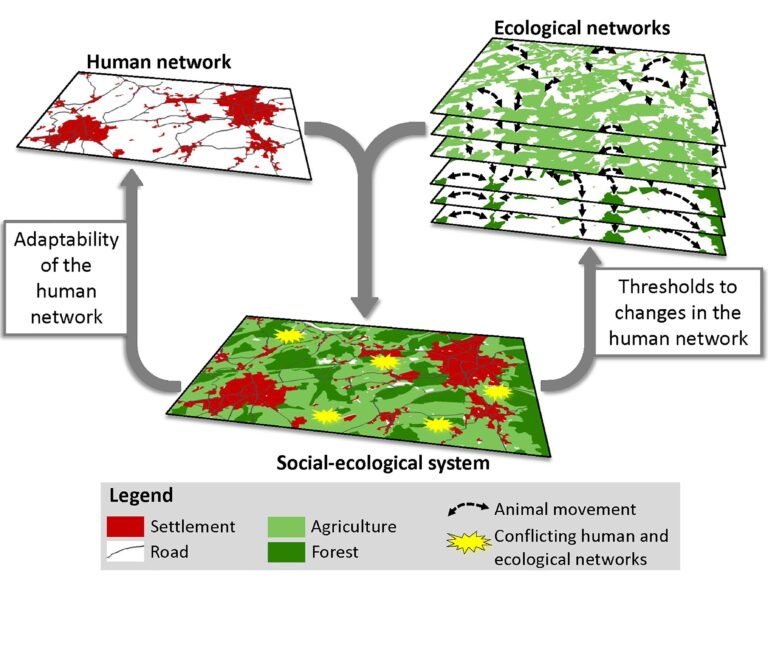
CHECNET
Coupling human and ecological networks for sustainable landscape and transport planning Main content Human networks, consisting of settlements and roads, are often a threat to the integrity of ecological networks, in which
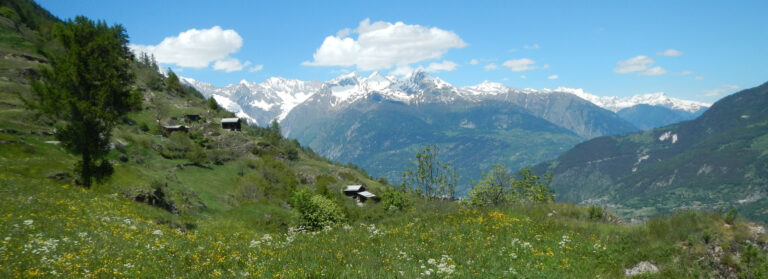
MtnPATHS | Pathways for global change adaptation of mountain socio-ecological systems
Introduction Mountain social-ecological systems (SES) contribute critically to ecosystem services at local, regional and global scales. Yet, they are highly vulnerable to climate, political and socio-economic changes, which compound with natural climate
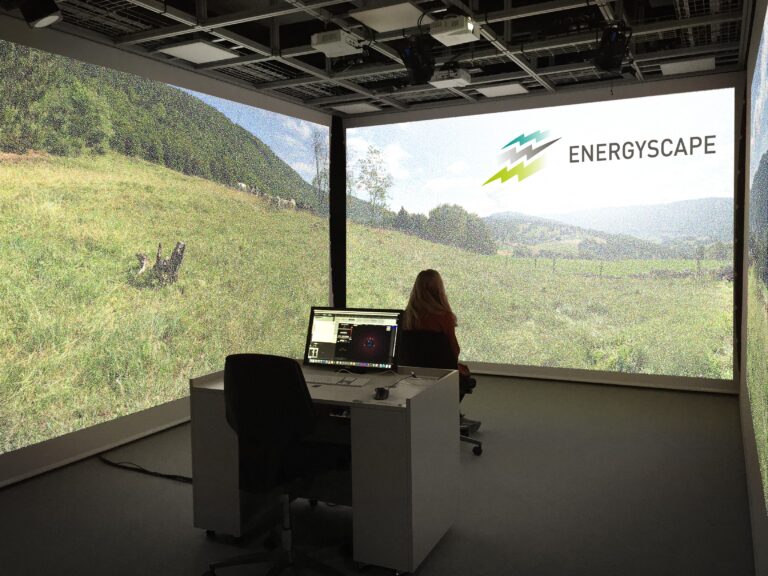
ENERGYSCAPE
The aim of the ENERGYSCAPE project is to work out recommendations that will be used as a foundation for a landscape strategy that has a mix of renewable energy systems. This includes
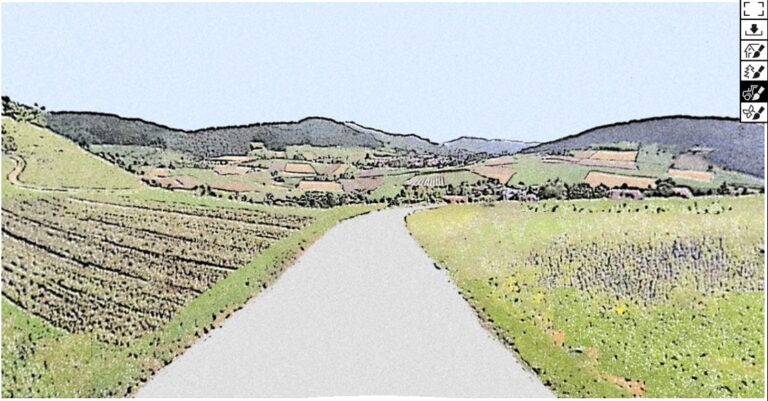
Further Developments for Agricultural Planning (LP+)
Introduction A fundamental reason for the insufficient implementation of agricultural plans is the lack of acceptance and cooperation by the actors involved. For experts, planning content is usually in the foreground; communication
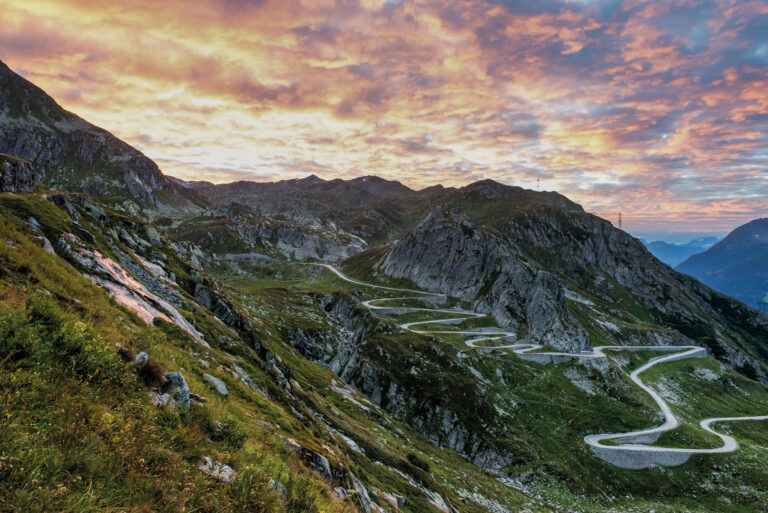
RECREATE Switzerland
Assessing future impacts of climate change and the decarbonisation of the mobility and energy sector on outdoor recreation in Switzerland Introduction Anticipated population growth, rapid technological development in transportation, climatic change and
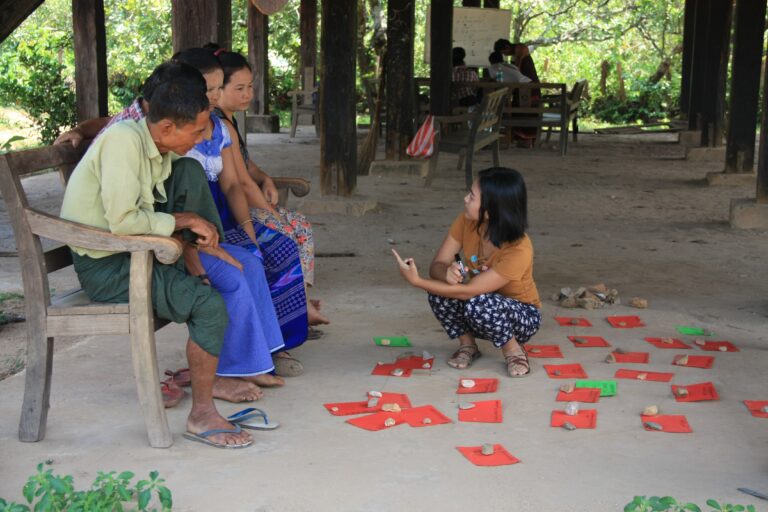
Managing telecoupled landscapes for the sustainable provision of ecosystem services and poverty alleviation
Swiss Programme for Research on Global Issues for Development (r4d Programme) Introduction MANAGING TELECOUPLED LANDSCAPES aims at exploring concrete pathways for sustainable livelihoods in forest frontier landscapes and explores how transdisciplinary learning
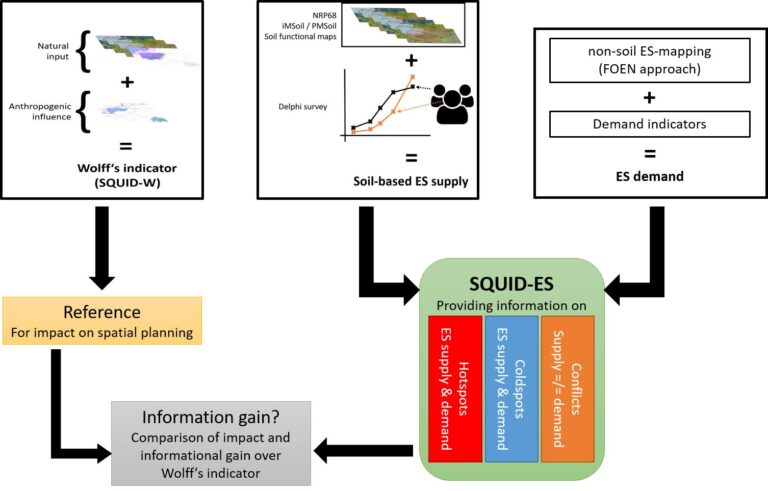
Developing of soil indicators for sustainable spatial development
Introduction Along with air and water, soil is one of the most important life-supporting elements for humans: it provides numerous benefits through ecosystem services (ES), ranging from food provision over regulation of
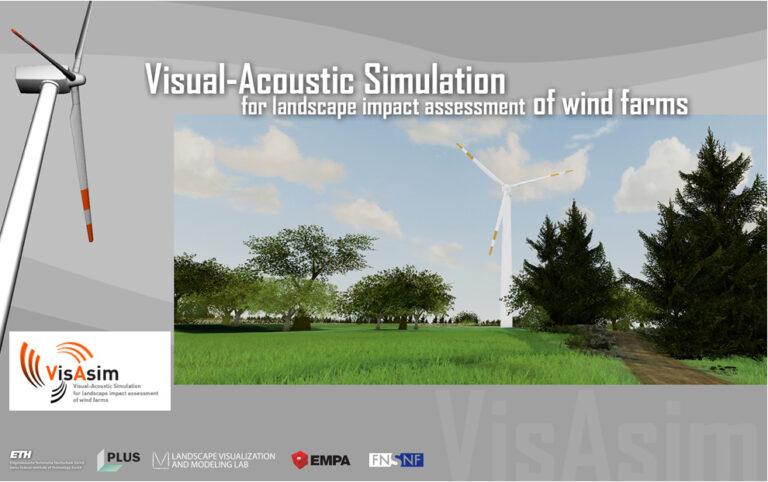
VisAsim – Visual‐Acoustic Simulation for landscape impact assessment of wind farms
In Europe, renewable energies are strongly exploited for sustainable energy supply. Wind energy is an important energy source. In Switzerland, the development of wind energy proceeds very slowly due to objections of
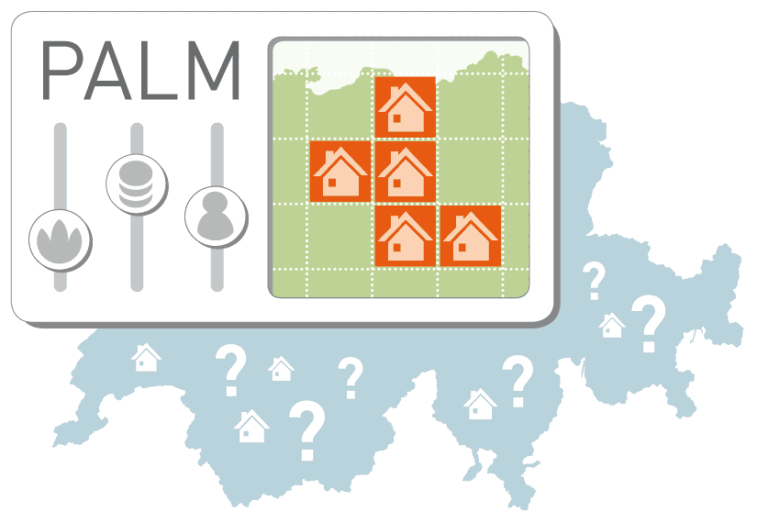
Sustainable Planning with PALM
The current practice of assigning building zones has proven to be unsustainable. In addition to urban sprawl in the landscape, building zone reserves are also oversized and in unsuitable locations or, in
MOUNTLAND – Sustainable Land Use Practices in Mountain Regions
Mountain ecosystems provide a large array of goods and services, which are highly sensitive to both climatic and land-use changes. The political system with its policies and governance structures plays a crucial
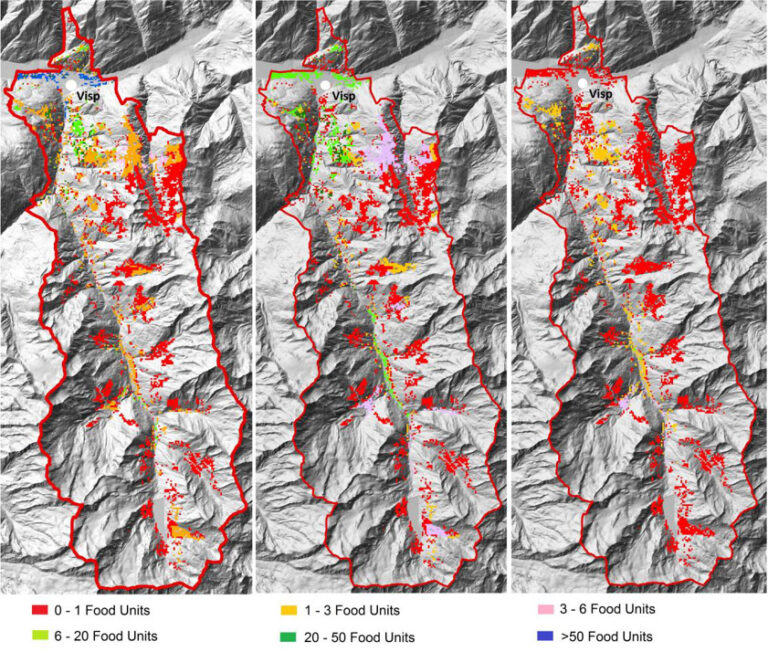
NFP 68 OPSOL – A Model-based Decision Support System for Integration of Soil Ecosystem Services in Policy and Planning
Sustainable land use must coordinate the numerous demands on the soil by considering the functions of the soil. Adrienne Grêt-Regamey and her team developed a 3D visualisation platform so the actors involved
OPERAs – Operational Potential of Ecosystem Research Applications
OPERAs is a European research project which aims to bridge the gap between ecosystem science and practice. The project has 27 partners from academic institutions, consultancies and SMEs across Europe. The OPERAs

SUMSOR – Towards a More Sustainable Management of Soil Resources by Redistributing Economic and Ecological Added and Reduced Values
Motivation – Preservation of the resource soil The pace and scale of the demand for land is increasing worldwide, as population becomes urban, lifestyles change, and industrial agricultural practices are intensifying. Although,
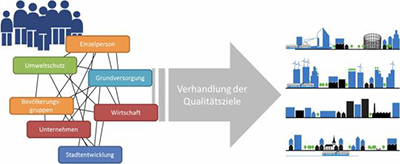
NFP 65 – Project SUPat: Sustainable Urban Patterns
Today’s agglomerations lack the urban qualities that core cities offer in the form of short routes, public spaces and a high density and mix of uses. This has an increasingly negative impact