Prof. em Christophe Girot | Landscape Architecture
In research and teaching, the Chair focuses on a critical approach to current and future-oriented questions of landscape architecture. The focus is on the main topics of Design Visualization, New Media, and History and Theory. The development of a spatial and cultural understanding of landscape and the search for creative forms that respond to the challenges of our constantly changing environment are central issues in all fields.
In Design Visualization, large-scale landscape projects are developed by combining traditional landscape design with advanced CNC-modelling techniques. It also researches new design methods and digital tools, embeds current developments of information technology and tests them within a landscape-specific project.
The Chair applies a repertoire of different audio-visual media in order to stimulate a critical examination of the perception of landscapes. The creative potential of visual and acoustic effects and presentation methods in landscape architecture is continuously studied, reflected upon, and refined.
Findings from research and teaching as well as anthologies on theoretical questions are presented in the publications series Pamphlet. The scientific publications series Landscript with its international editorial board is devoted to contemporary landscape aesthetics and the immanence of landscape architecture in our culture.
In 2010, the Landscape Visualization and Modeling Lab LVML was founded together with Adrienne Grêt-Régamey (IRL), supplemented since 2016 by the AudioVisual Lab.
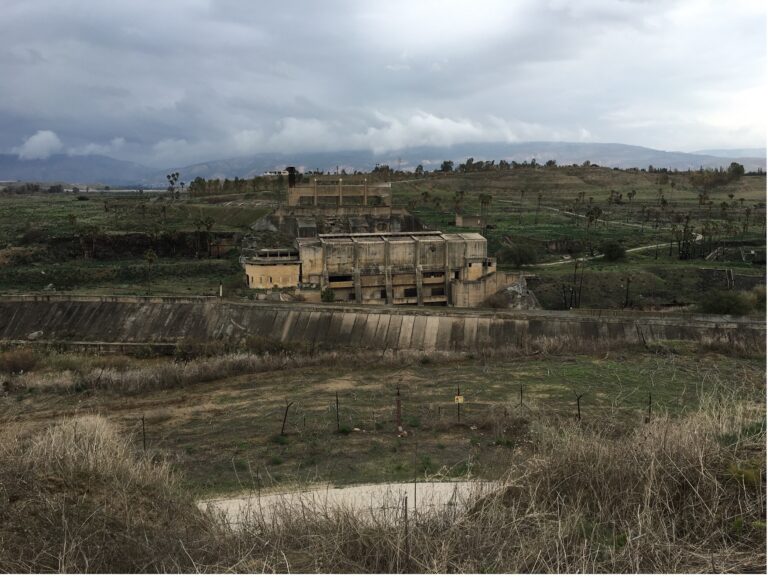
Mapping Power: Landscape Transformation in the Jordan Valley
An interaction of three variables can account for landscape transformation processes at Naharayim/el Baqura over the last century and a half: territory, cartography, and terrain. This interaction is examined across three historical
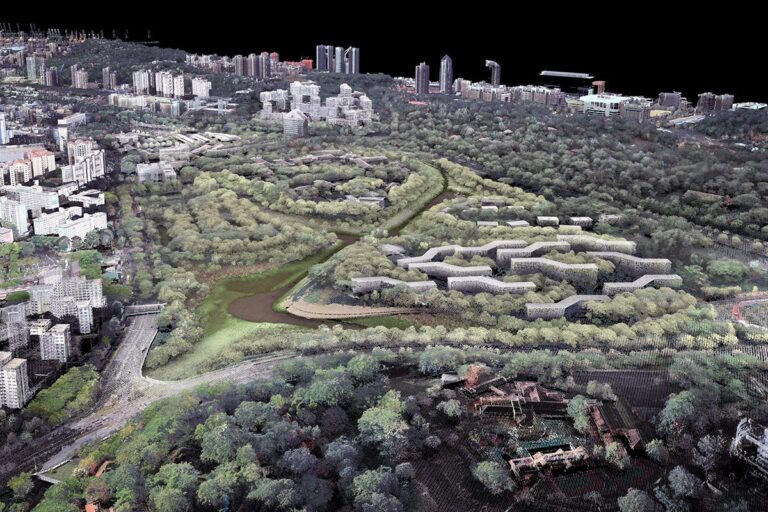
Shaping Physical Landscape
Point cloud modeling as a site-specific design method in landscape architecture applied to a case study in Singapore. The design of large-scale urban landscapes often takes place without topographical reference and fails

Turkey Red: Ottoman Decorative Arts at the Root of the ‘Parterre de Fleurs’
This dissertation project sets out to trace the transregional and transmaterial journey of the quatre fleurs, four of the most popular flowers featured in Ottoman decorative arts – the tulip, rose, carnation,
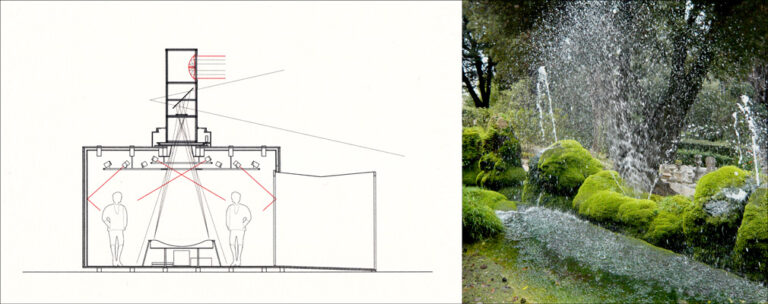
The Acoustic Dimension of Landscape Architecture. Studies on the Perception and Implementation of Landscape Acoustics.
Auditory impressions have a significant impact on how people perceive and evaluate their environment. The rustling of the leaves, the tapping of the rain, or the children’s voices as they escape from
From Rarity to Everyday Culture. The Botanical Garden Zurich and its Role in Distributing new Plants in the 19th Century
The dissertation «From Rarity to Everyday Culture» shows how the Zurich Botanical Garden succeeded, in a country without seaports or colonies and far from large horticultural centres, in introducing new plants through
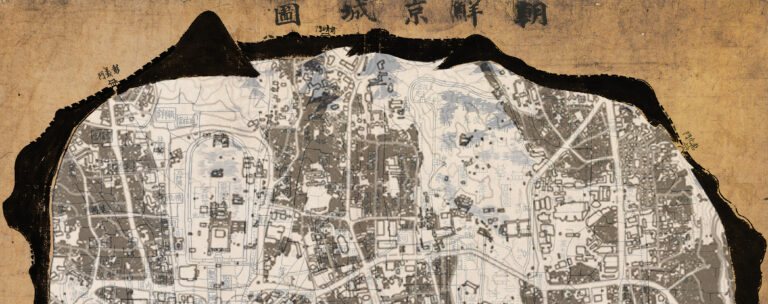
Cultural Laboratory Seoul. Strategies for culture-specific landscape architecture in South Korea
The doctoral thesis «Cultural Laboratory Seoul» aims to decode culturally-rooted design concepts in parks and open spaces in Seoul. It seeks to examine the perception and meaning of these historical concepts, and
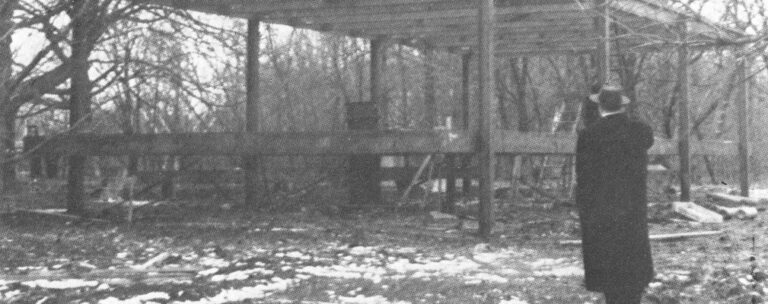
Fragmentary Homes. Living in a Mies-van-der-Rohe-House and the Landscape-Experience
This dissertation investigates the aesthetic experience of nature, following debates in German Philosophical Aesthetics from the 18th up to the 20th century. It argues that in modern conditions the landscape constitutes an
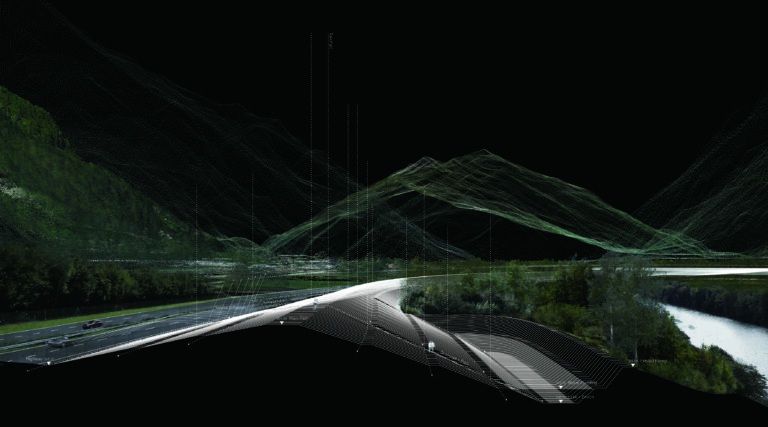
The Topology of Robotic Landscape Fabrication
This doctoral thesis is situated in the context of large-scale terrain structures within the field of landscape architecture. It builds upon recent advances in mobile robotic systems and digital landscape fabrication. By
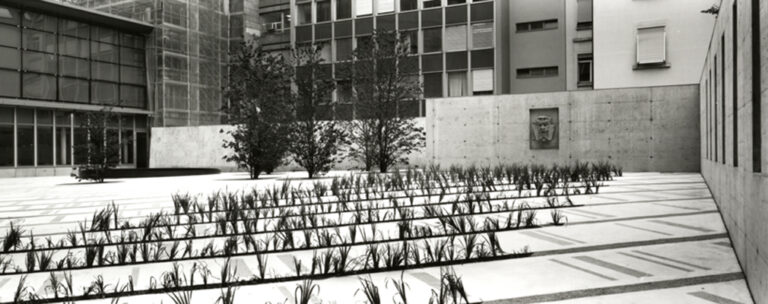
Designing Nature. About the work of Swiss Landscape Architect Dieter Kienast (1945-1998)
The dissertation presents the first comprehensive critique of the work of Dieter Kienast and covers the period from the 1970’s to the 1990’s. It intends to show to what extent Kienast developed
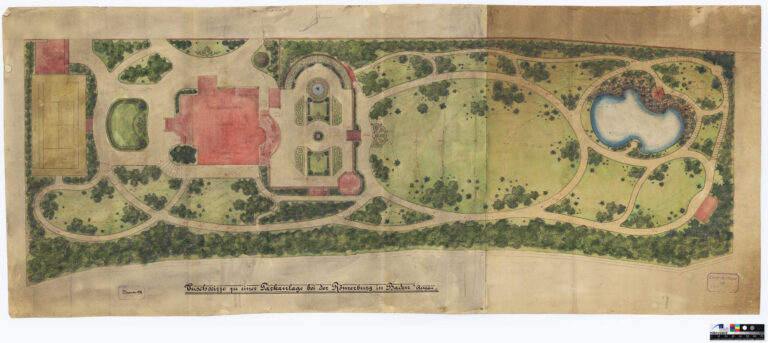
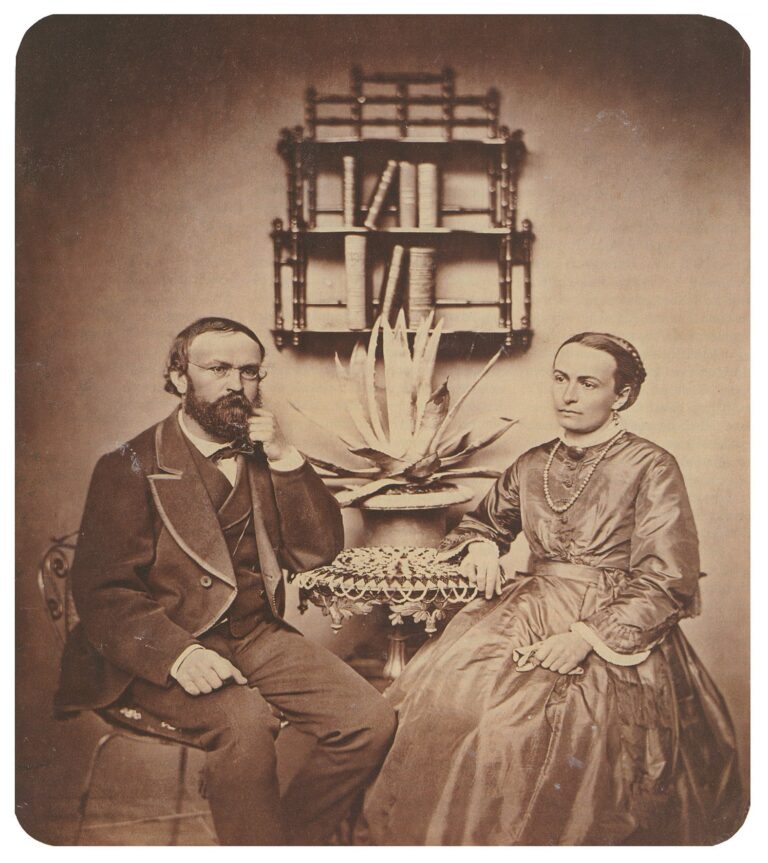
Back to the Roots of Our Profession. The Garden Designers Theodor Froebel (1820–1893) and Otto Froebel (1844–1906) as Pioneers of Swiss Landscape Architecture
Theodor (1810–1893) and Otto (1844–1906) Froebel are two of the most important personalities of Swiss garden design of the 19th century. With their multifaceted œuvre, they made a significant contribution to the
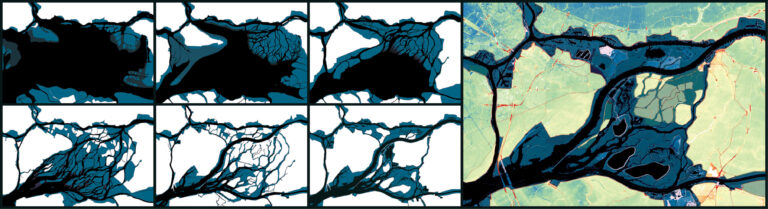
Flood Scapes. Contemporary Landscape Strategies in Times of Climate Change
Living with flood risk is still the common condition of most European cities, from Alpine valleys to coastal deltas. However, how we conceive of disaster and the means to protect ourselves have
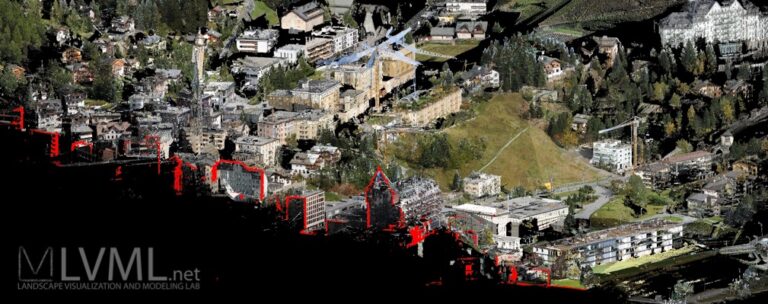
CTI Project 4D Sites. Image-based Combination of Spatial Data and Graphical Material
Test sites: Village of St. Moritz & UNESCO World Heritage Convent St. John Mustair The observation of landscape development over time is one of the crucial factors for the research, analysis and
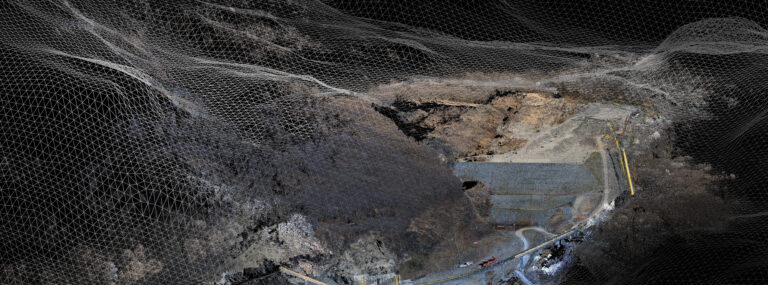
Alp Transit Switzerland
Alp Transit is creating a major tunnel to link the Lombardy region & Lugano to the north of Switzerland. In the forage process, 3.7 millions cubic meters of inert stone material will
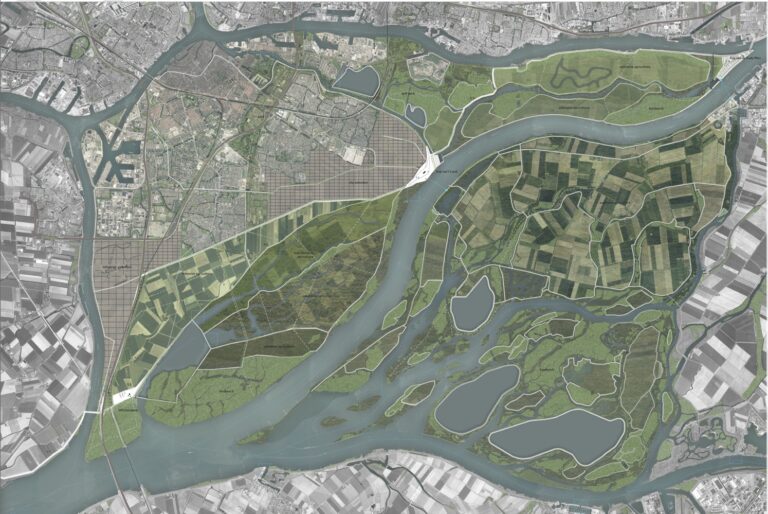
Rising Waters, Shifting Lands
The design of a changing landscape for the island of Dordrecht in the Rhine Meuse Delta of Holland This Landscape Architecture Studio investigated future adaptations of the urbanized low-land region of Dordrecht
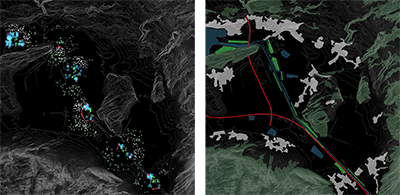
Explorative Data-Mapping. Experimental Teaching Tools
Within the design process, what methods are needed to identify relevant information from the abundance of data sets available? How can the data be visualized in order to derive subsequent meaningful decisions
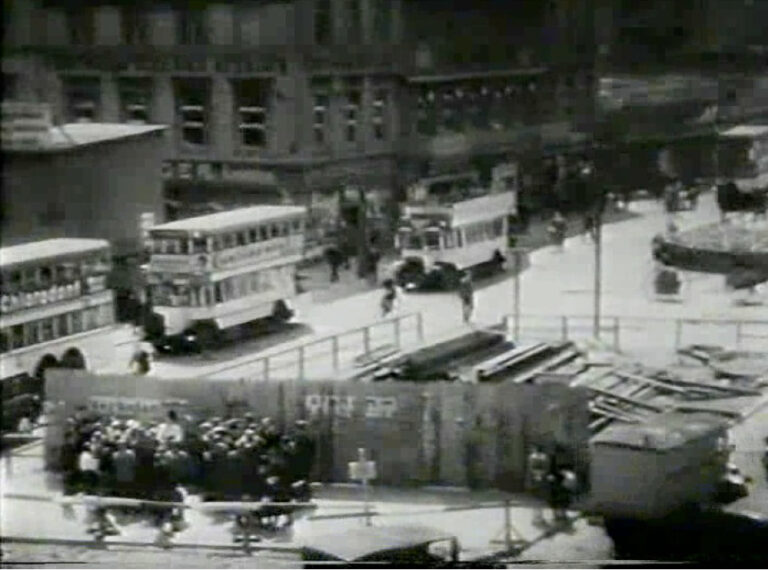
The Aesthetization of the Imaginary
Representation of Urban Landscapes in Berlin Through Film This transdisciplinary study discusses the construction of urban landscapes in feature films and their implications for design practice. It defines the urban landscape as
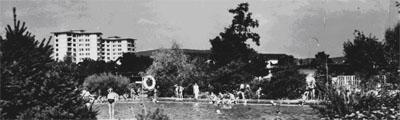
Gustav Ammann (1885–1955): Modern Landscapes in Switzerland
The Zürich-born garden architect Gustav Ammann was a key figure during the first half of the 20th century in garden and landscape architecture in Switzerland. Nationwide, his work includes over 1700 projects
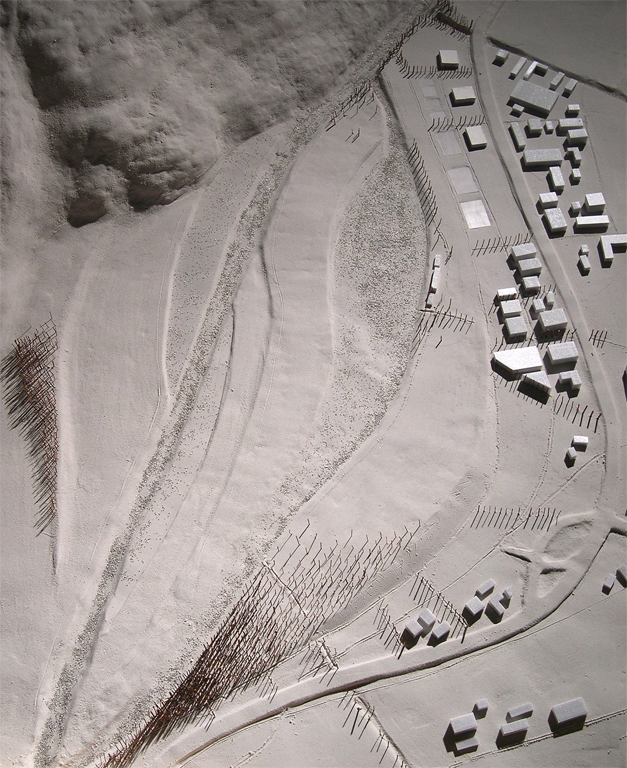
Immerge
At the request of the Chur Lake Association and in cooperation with representatives of the city of Chur and the Canton of Graubünden, a rough concept for a water landscape on the