Dr. Monica Menendez | Transport Planning and Systems
Traffic Engineering
The main objective of the Traffic Engineering Research Group is to carry out cutting-edge research in the area of traffic flow theory and operations. Our ultimate goal is to improve transportation systems and move them towards a sustainable state. To achieve this, researchers and students in this group work together conducting both empirical and theoretical studies. We apply scientific knowledge to develop state-of-the-art and pragmatic solutions.
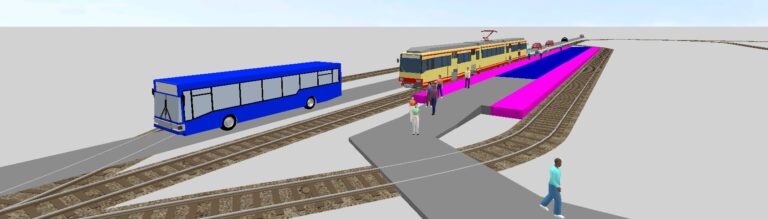
CSV – Calibration Study for VISSIM
The City of Zürich acquired «Verkehr In Städten – SIMulationsmodell» (VISSIM), a microscopic multi-modal traffic flow simulation software, to effectively model traffic within the city. VISSIM is a widely used simulation software with
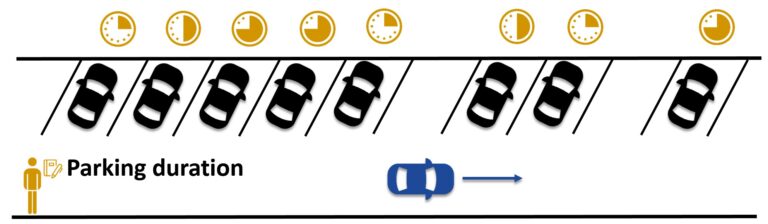
ParkSur – Methodology for evaluating cost and accuracy of parking patrol surveys
In patrol surveys, patrolling observers check the parking area every δ minutes (i.e., at fixed time intervals) and record the plate number of the car occupying each stall. To find the average
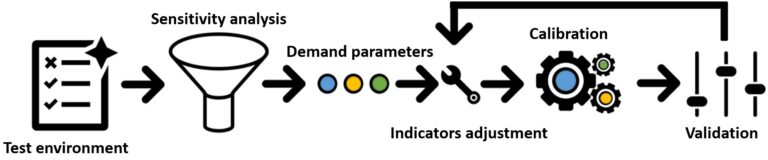
MULTITUDE – Methods and tools for supporting the use calibration and validation of traffic simulation models (COST TU0903)
The MULTITUDE is a joint research project funded by the European Union COST programme (COST Action TU0903). The main objective was to develop, implement and promote the use of methods and procedures
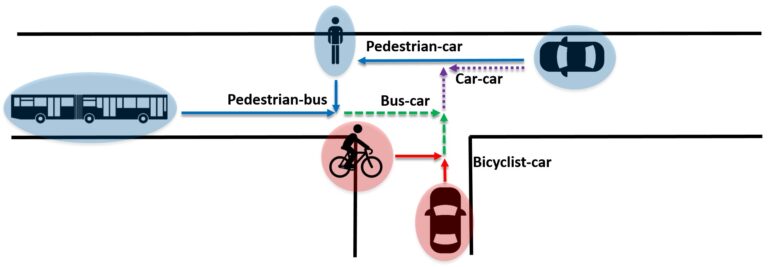
INTERACTION –Traffic flow at uncontrolled urban intersections with different modes of traffic
Current VSS standards for the design and evaluation of uncontrolled intersections only take into account conflicts between private vehicles. Unfortunately, this limits the applicability of the standards in most Swiss urban networks,
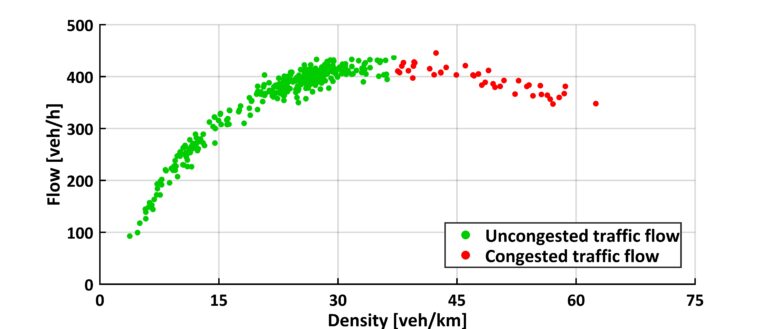
ZurichMFD – Study on the number and location of measurement points for an MFD perimeter control scheme
The goal of this project was to evaluate the data requirements for a possible implementation of a macroscopic fundamental diagram (MFD) control scheme in an urban area. Particularly, we have studied the
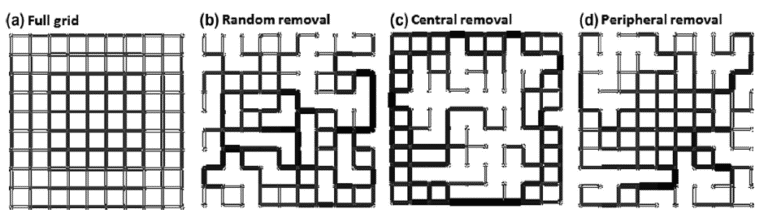
TERRAIN – Traffic operations on urban grid networks
Cities across the world are starting to recover space, previously devoted to cars, for other uses. The main purpose of this project was to better understand the removal of space in urban
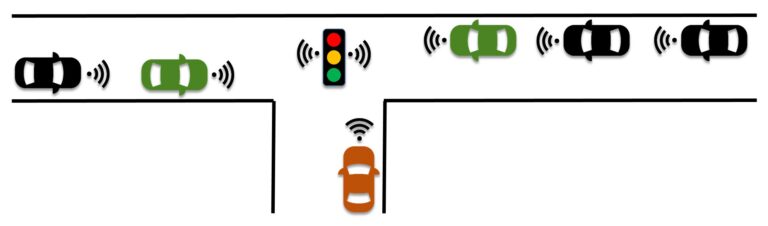
ConAuto – Traffic control in a connected and automated vehicle environment
The development in connected and automated vehicles provides more flexibility in the monitoring and control of traffic systems. Equipped with communication systems and various sensors, connected and automated vehicles can communicate with
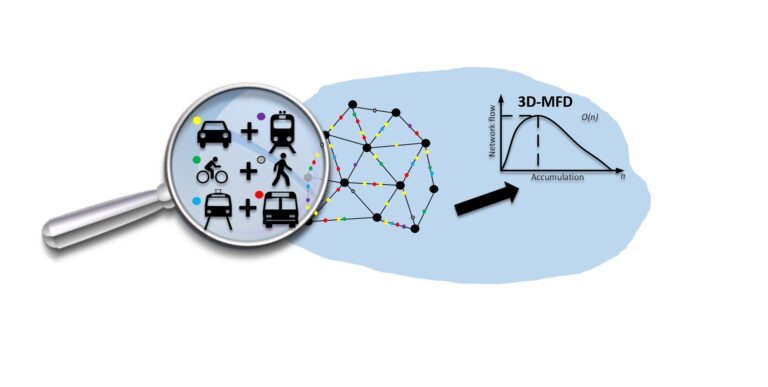
DIPLOMAT – DesIgn, oPtimization and controL Of urban MultimodAl sysTems
To understand the physics of urban mobility, traffic dynamics of multimodal urban networks need to be analyzed under many different scenarios, including various network properties. To this end, an aggregated model for
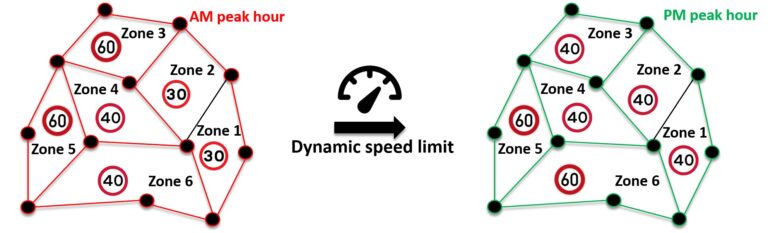
SPEED – Rethinking speed limits in urban networks
In the last decades, cities around the world have started to reduce speed limits in both residential areas and city centers. In Switzerland, for example, more than 700 districts and municipalities have
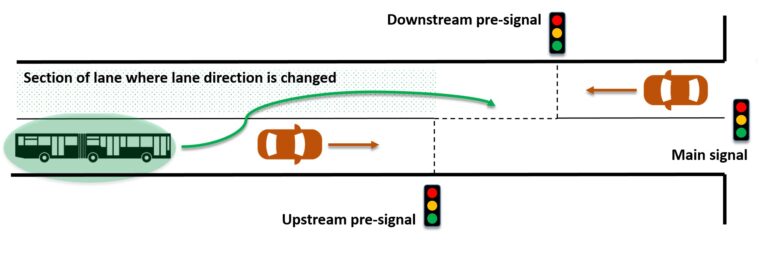
SignBus – Using Additional Signals to Provide Priority to Buses at Signalized Intersections
In urban environments, where buses and cars operate in mixed fashion, bus delays can be exacerbated at signalized intersections due to the interactions with cars. This research will investigate the use of

Platoon – Using Truck Platooning Strategies to Improve Real Time Highway Traffic Operations
The platooning of trucks has been considered in many studies as a potential approach to reduce some of the negative effects caused by trucking on the highways. A platoon of trucks is