Prof. em Dr. h. c. Günther Vogt | Landscape Architecture
Landscape architecture archetypes, such as park plaza promenades, courtyards, cemeteries, monuments and gardens, are symbols of society’s images of utopia and paradise in an urban context. The interactions with socio-political currents and the temporal aspects of landscape architectural designs are understood here as parts of the urban culture.
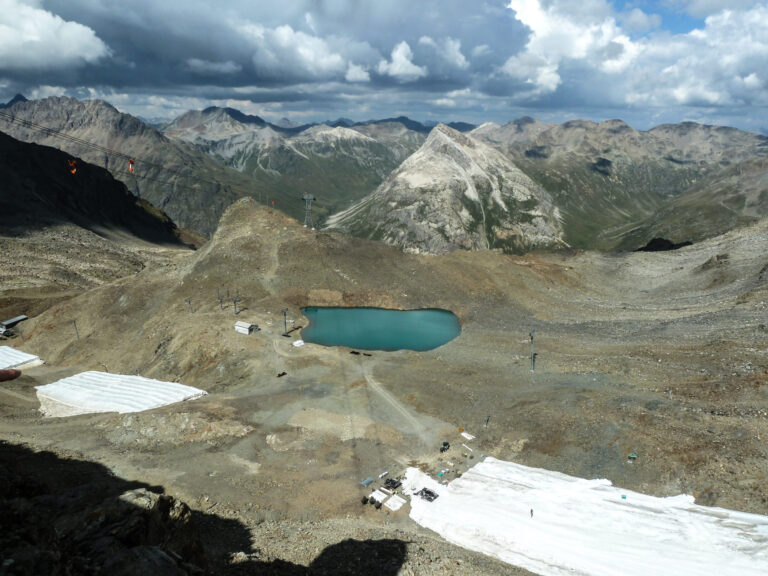
Profiling Alpine Landscapes
Climate change is accelerating the transformation of the Alps. In this process, «new landscapes» with a great deal of potential are emerging, particularly since the Alps do not represent a sealed-off space
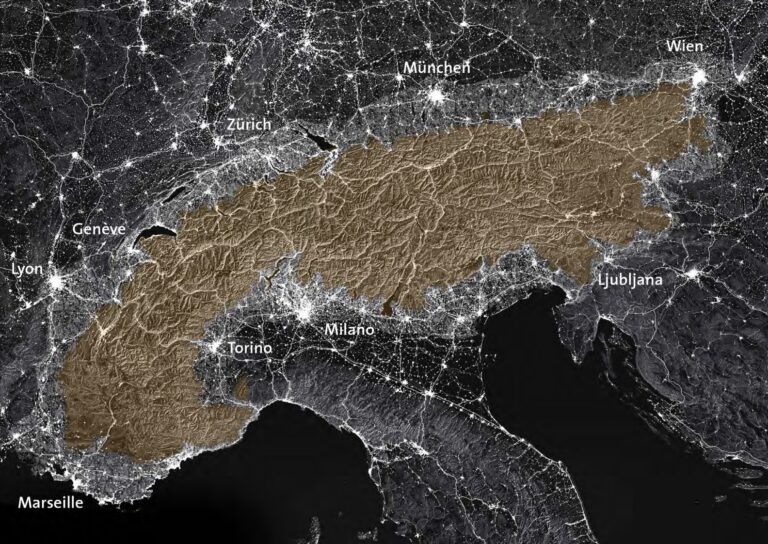
Common Water – the Alps
The Alps are not a static assemblage but a dynamic and sensitive living space. Geological and geomorphological processes formed their characteristic topography over millions of years and in so doing established the
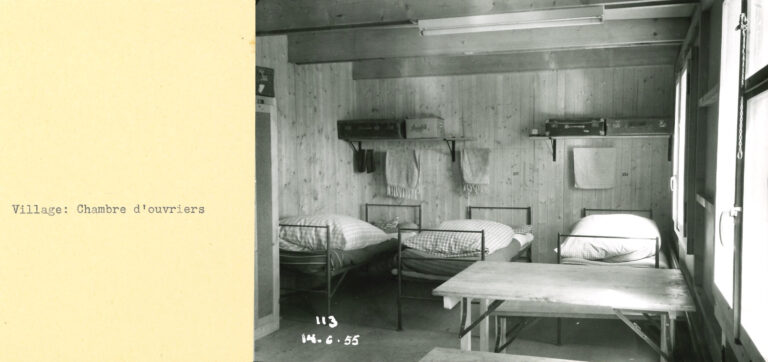
Secondary Infrastructure Exposed: the Temporary Settlements of La Grande Dixence (1950-1965)
As a response to Susan Leigh Star’s call to study “boring things” and mundane aspects of infrastructure, this research project offers a reflection on the notion of “secondary infrastructure”, understood here as the infrastructure
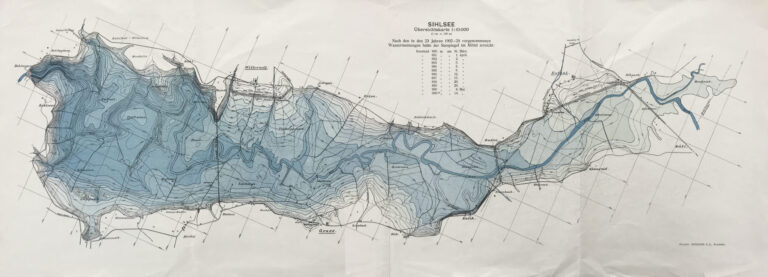
The Project of Hydroelectric Landscapes: Material and Cultural Constructions of Lake Sihl (1897-1937)
In the history of rivers in Switzerland, the emergence of hydroelectricity from 1870 to 1970 made the reservoir a new and major landscape figure. However, research works on hydropower have typically focused
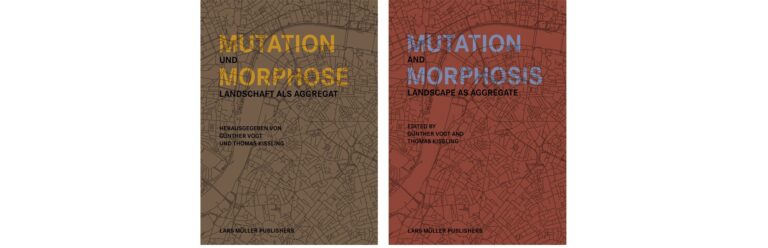
Mutation und Morphosis. Landscape as Aggregate
Anyone viewing what we call a «landscape» from a distance will recognize that it is an artifact, a habitat created by humans as part of our built environment. Designing this realm carefully
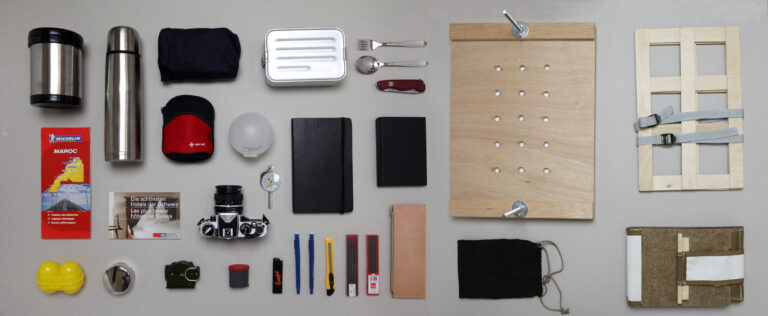
Cabinet of Curiosities – Perceive, Collect, Organise, Translate, Visualise
Landscape architecture has become increasingly important with the advance of urbanisation. Architecture students increasingly need more landscape architectural expertise for their designs and interdisciplinary cooperation. The project responds to this fact and
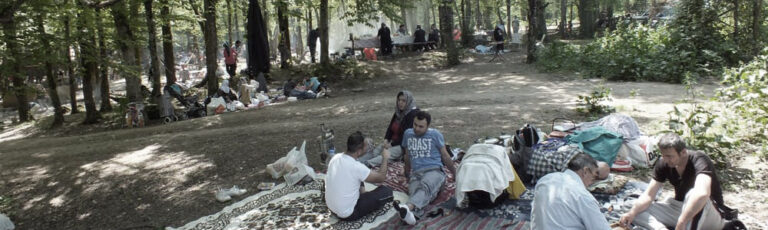
Common Ground – Metropolitan Landscape Areas as the Common Land of the 21st Century
Laying claim to and reinterpreting large swathes of landscapes lying close to residential areas for urban recreational use is a contemporary phenomenon that can be observed in many metropolitan regions of Europe.
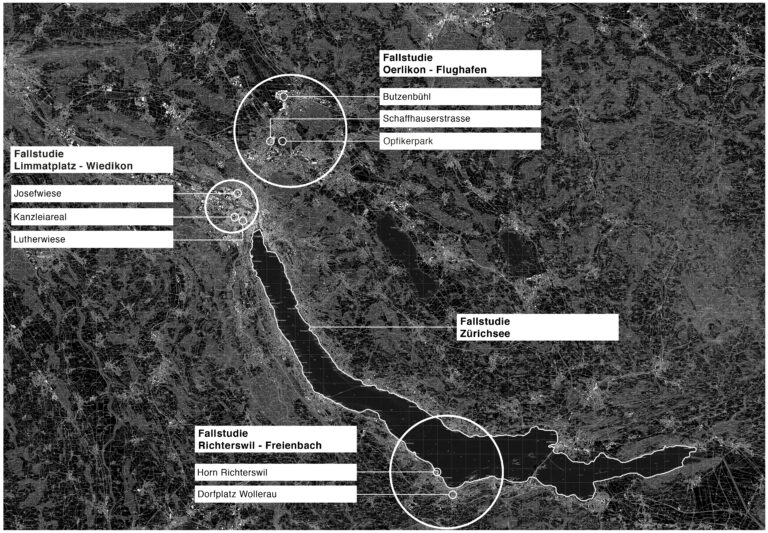
NFP 65 – Urban Potentials and Strategies in Metropolitan Territories Using the Metropolitan Area of Zurich as an Example
As part of the research project NFP 65: Urban Potential and Strategies in Metropolitan Territories, the Chair of Günther Vogt examined the existing and relevant standards of urbanised and urban landscapes and
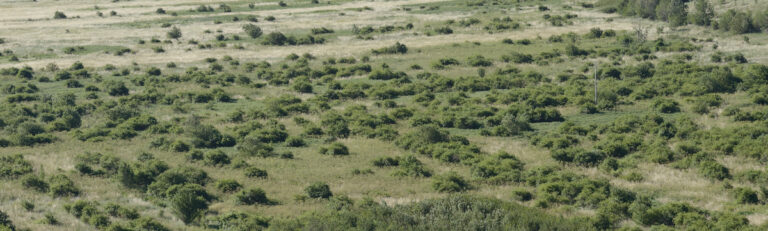
The Landscape of Abandonment in Europe
The abandonment of agricultural land and the general withdrawal from inhabited, cultivated and farmed areas is a growing global phenomenon that the Chair is exploring in greater depth as part of its
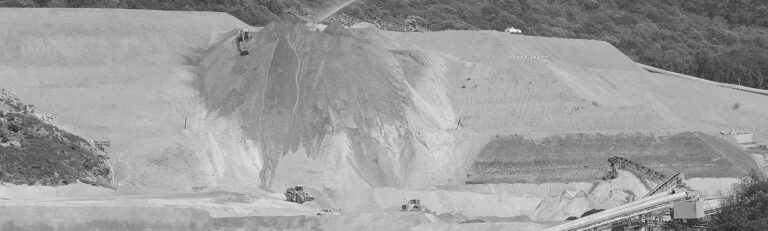
Geomorphic Agent
Man is a ‘Geomorphic Agent’. As the most important factor in the shaping processes of the earth, nowadays we move all together far more material than all natural geological processes combined. The
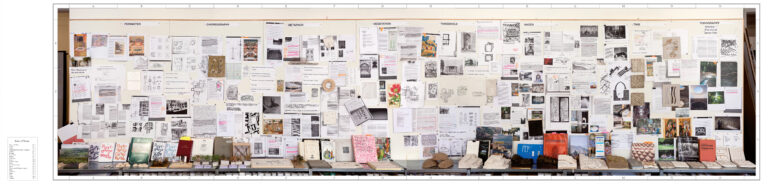
Landscape as a Cabinet of Curiosities. In Search of a Position
Conversation with Günther Vogt If there is no such thing as nature as a whole – perhaps there is landscape as a cabinet of curiosities. Thereby, in the best of cases, this lack
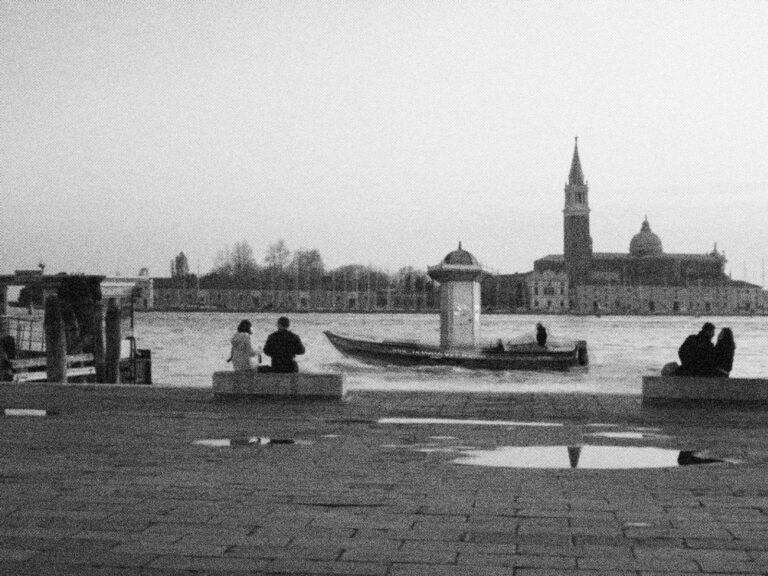
Un-common Venice. Contribution to the 13th International Architecture Biennale in Venice
As part of the 13th International Architecture Biennale in Venice entitled ‘Common Ground,’ the contribution of the Chair of Günther Vogt took the city itself and its public spaces, in the sense
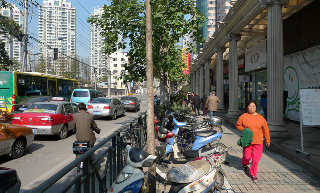
Taking to the Streets: Investigation of the Quality of Public Spaces in the Phenomenon of the Street
The streets have always represented the arteries of the life of a city. A city without streets is unimaginable. Compared to plazas and parks, street space is often seen as secondary and
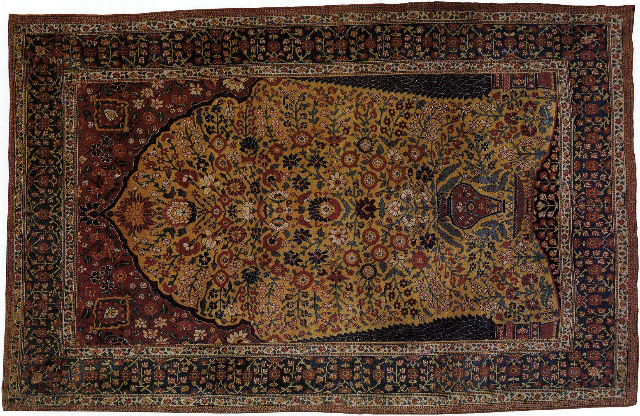
Trying to Find Happiness in the Garden
The theme of paradise is presented in eight illustrated essays that are based on individual and collective activities: community gardens in Berlin, war gardens in Iraq, the prayers rugs of Muslims and
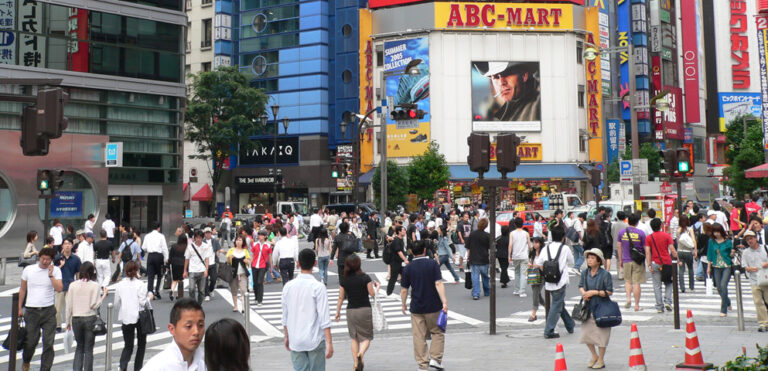
Tokio. The Street as Lived Space
The street has always been one of the most significant public spaces. Particularly in Asian cities, the street – not the square – remains even today the most important location for the
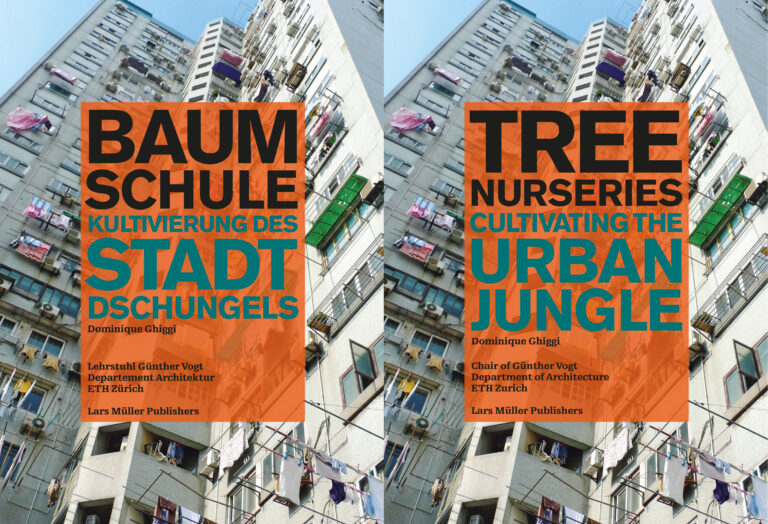
Tree Nurseries – Cultivating the Urban Jungle
Book project: Reports on plant production Based on reports, the background and sphere of influence of tree nurseries will be told and depicted. The relationship between people and environment will be examined