Top-down art-based urban upgrading initiatives in informal neighbourhoods in Bogota: Placemaking or reaffirming marginalization?
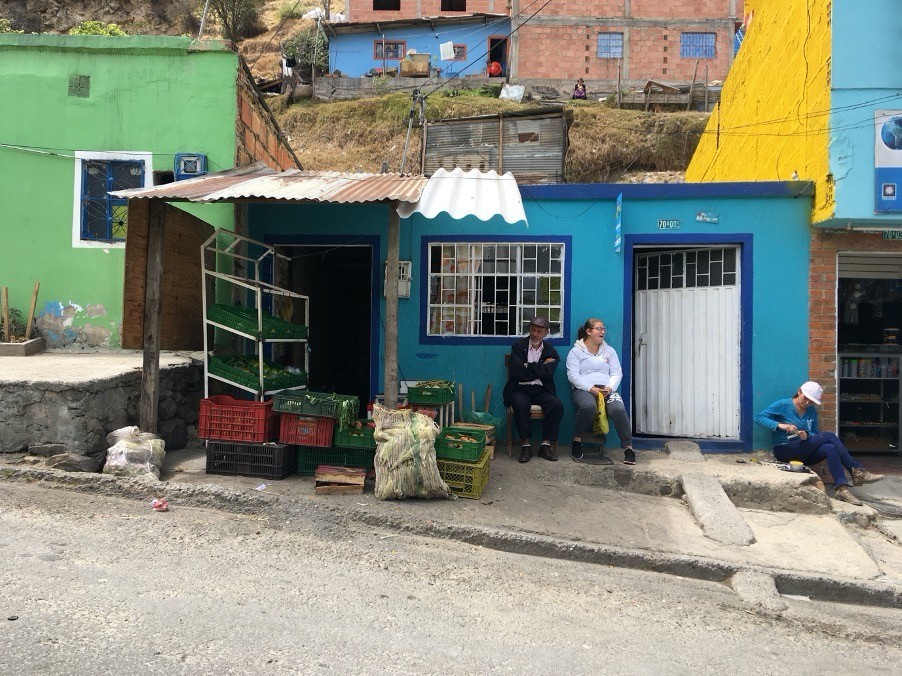
It is widely assumed that popular visual art, such as murals, can potentially be a powerful driver for urban regeneration with important social, economic and environmental benefits. The voices of those directly affected by these type of interventions, however, are often missing. Our research in two informal neighbourhoods in Bogota focused on residents’ perceptions of Habitarte, a government-led programme in informal settlements.
With pressure to present tangible results, governments are often drawn to the «lighter, quicker, cheaper» approach of creative placemaking that seemingly lower the stakes of possible negative impacts. However, ignoring the unintended consequences of imprinting a homogenizing image and very particular aesthetics across impoverished informal settlements seems to be a perilous strategy in particular when only lip-service is paid to the importance of community participation.
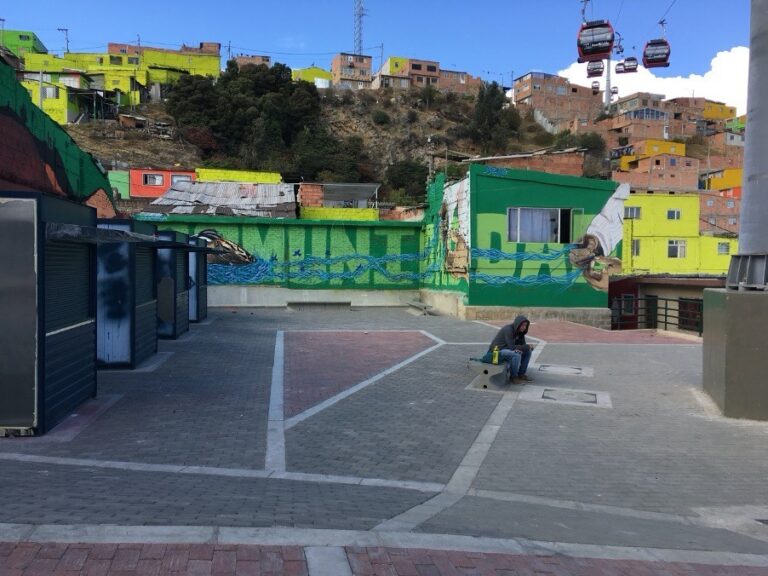
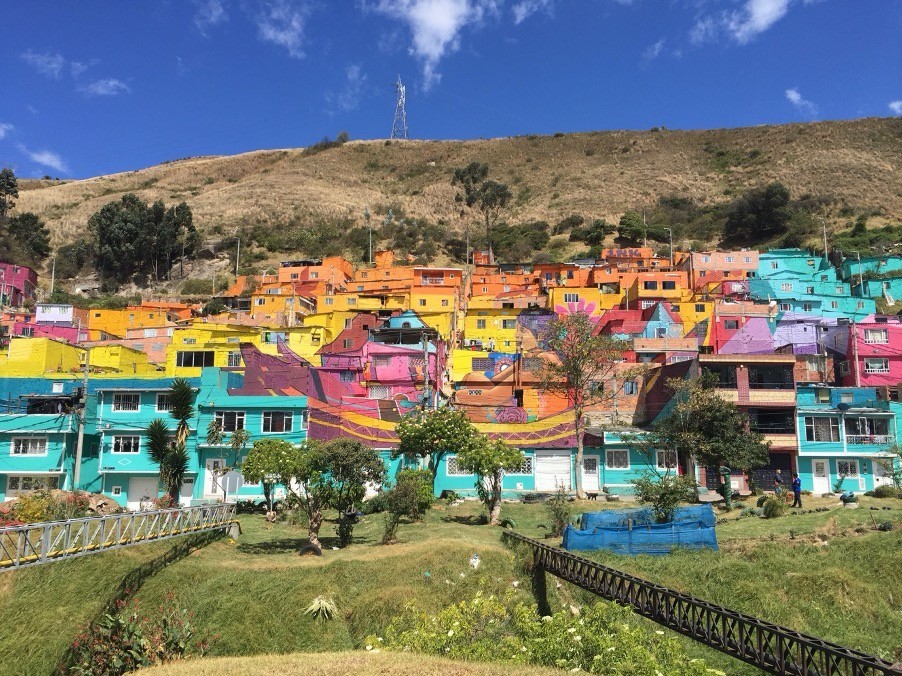
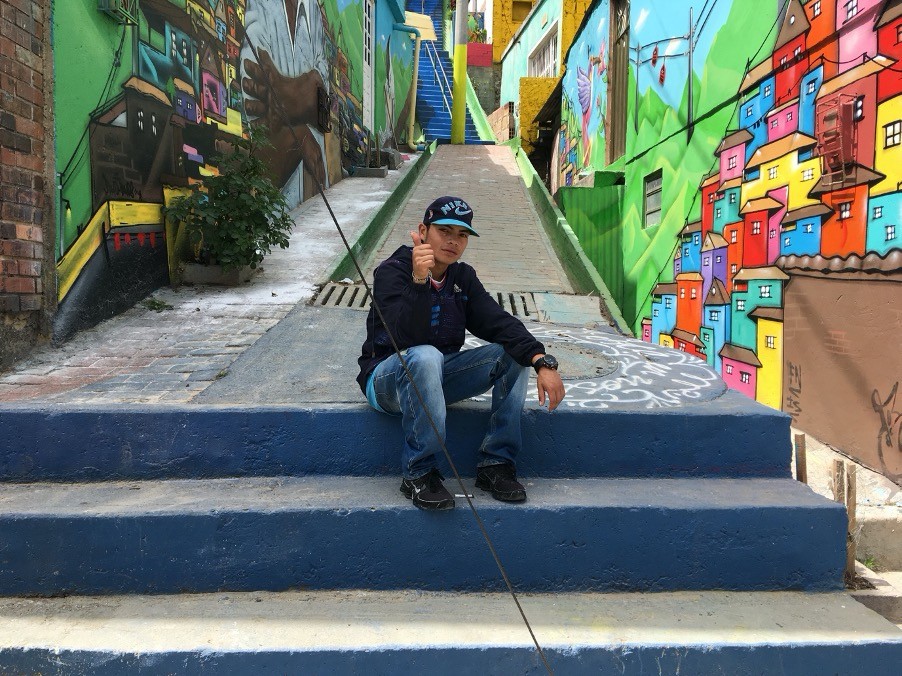
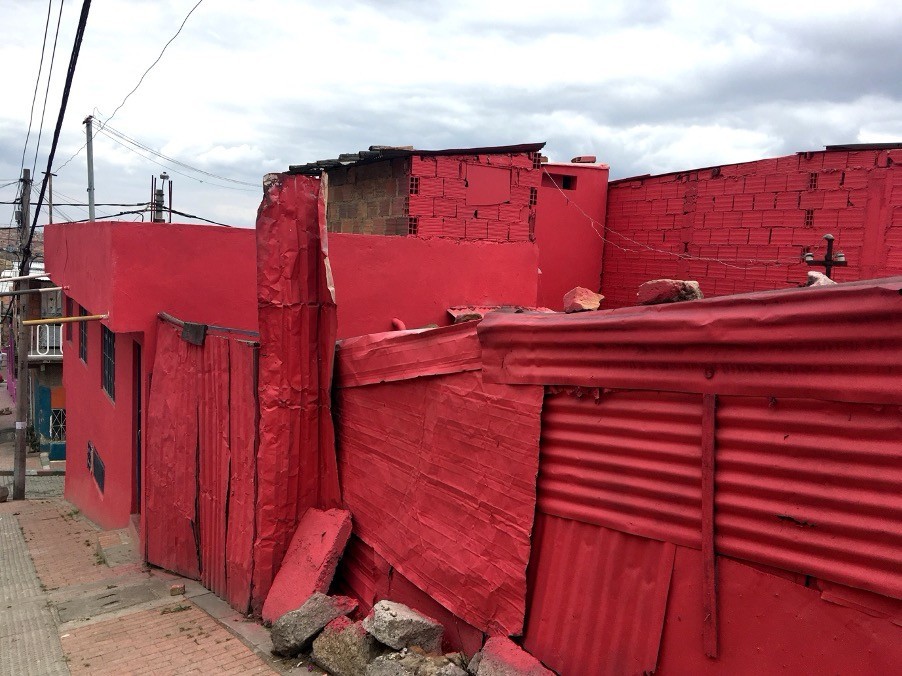
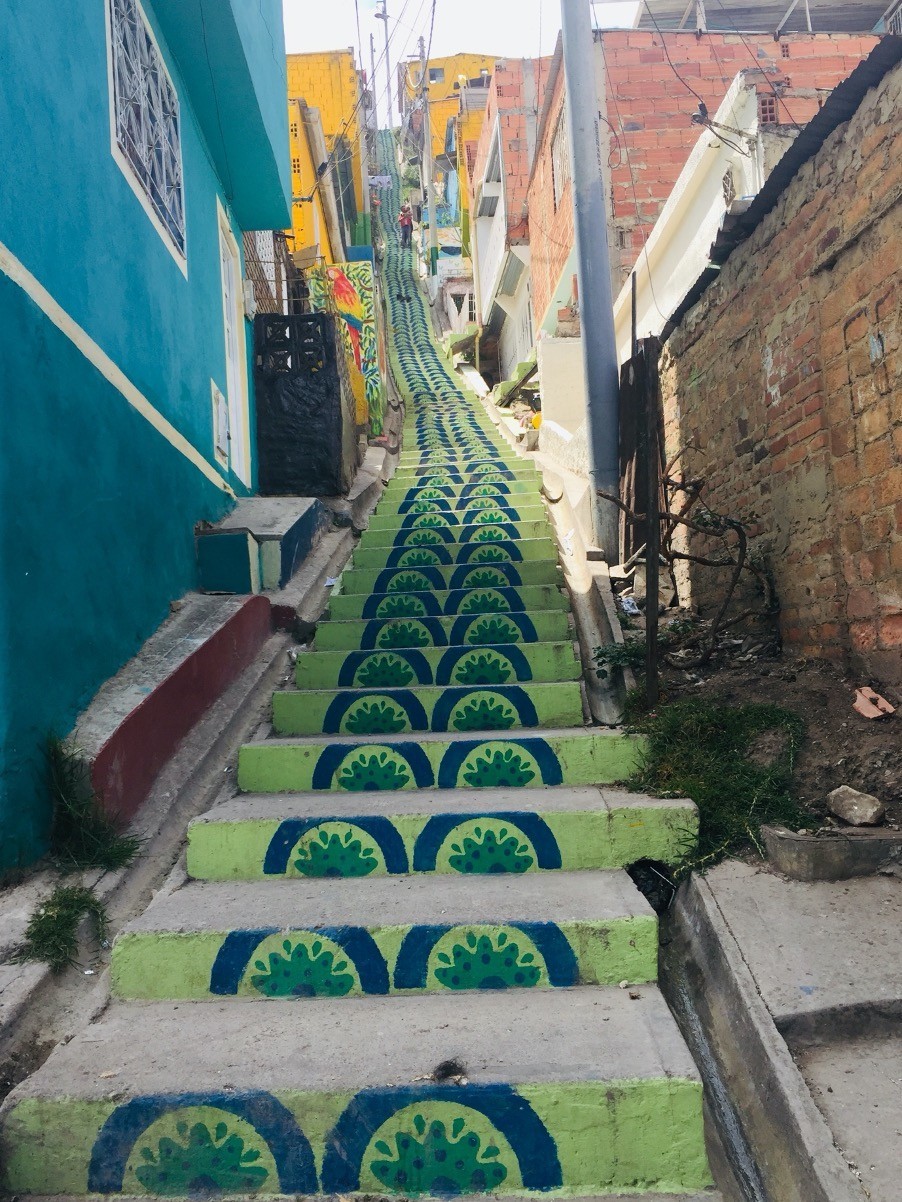
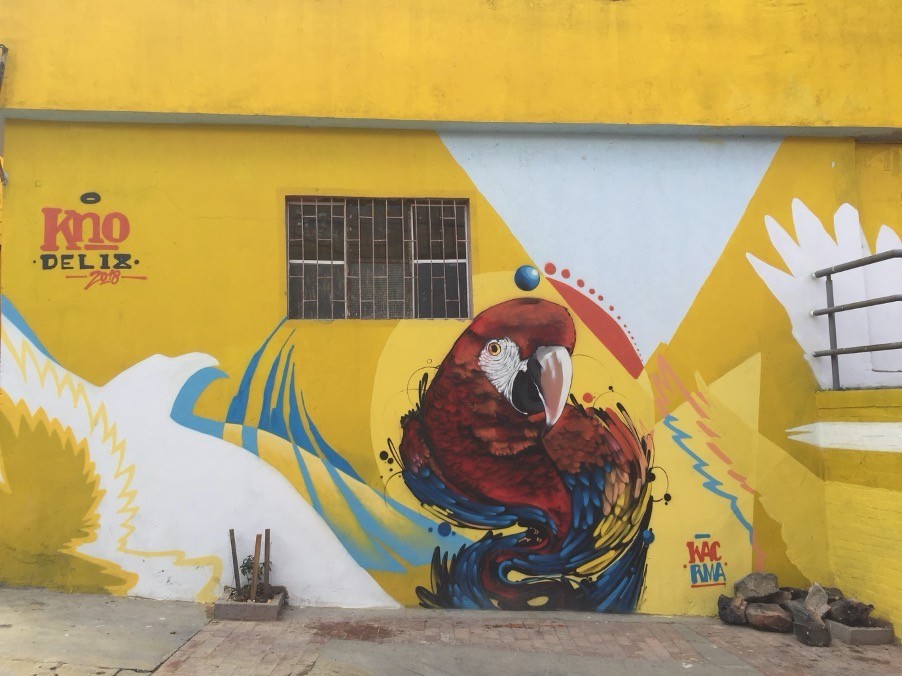
Habitarte is by far the largest urban art-based upgrading programme ever carried out in Bogota. Implemented in 83 neighbourhoods the programme takes place through two kinds of interventions. In the first case, small scale murals are carried out by artists in strategic and often neglected public spaces through an alleged process of co-creation; in the second case inhabitants agree on a macro-mural that covers the whole neighbourhood and can be seen from afar. The programme so far resulted in the painting of 95.000 facades, 141 murals and four macro-murals.
Inhabitants prefer smaller scale murals carried out by local artists