Urban Design as Commoning: Remembering the History of Participation
Under the headers of ‘collaboration’, ‘participatory design’ and ‘co-production’ participation is nowadays at the centre of the debate on urban design. Architects and urban designers are developing new concepts, tools and roles to comply with these new participatory modi operandi. However, it seems that it is sometimes forgotten that the issue of participation has a longstanding history. At the Chair of the History and Theory of Urban Design (D-ARCH, gta) we explore this tradition of experiments with participatory processes in the practice of urban design.
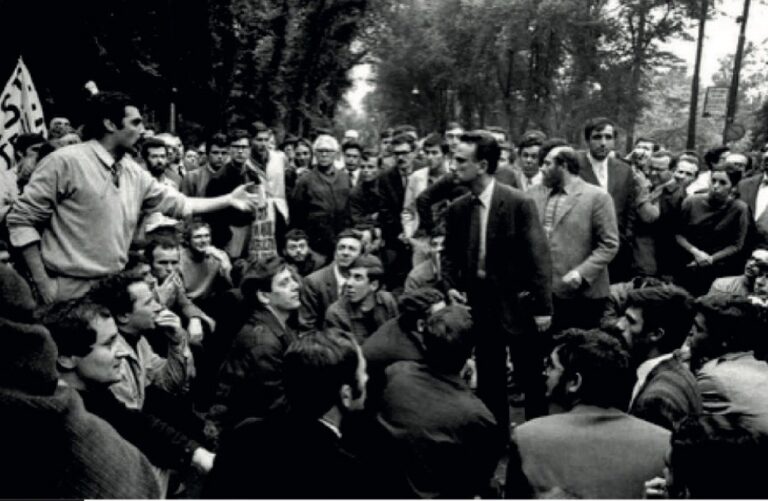
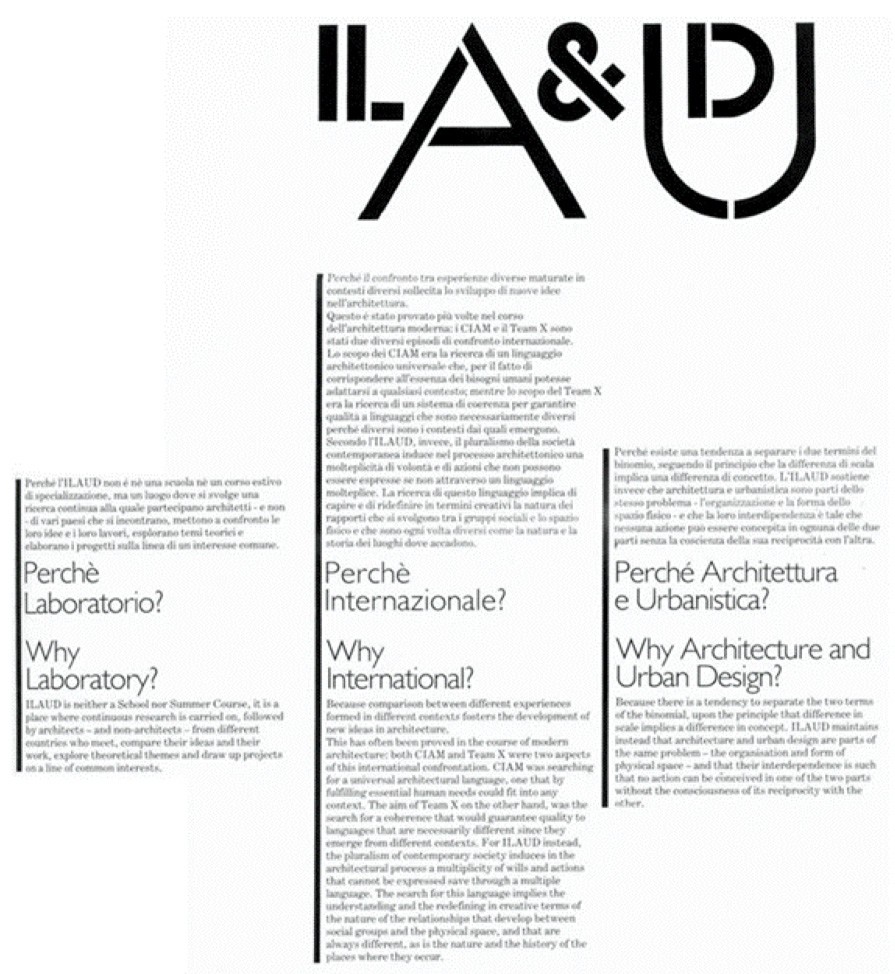
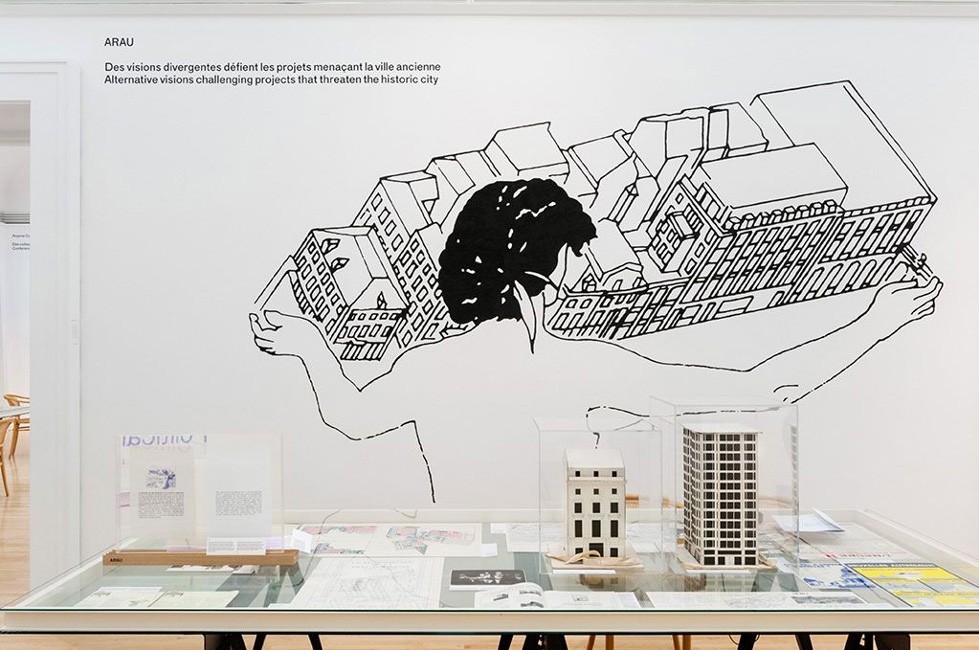
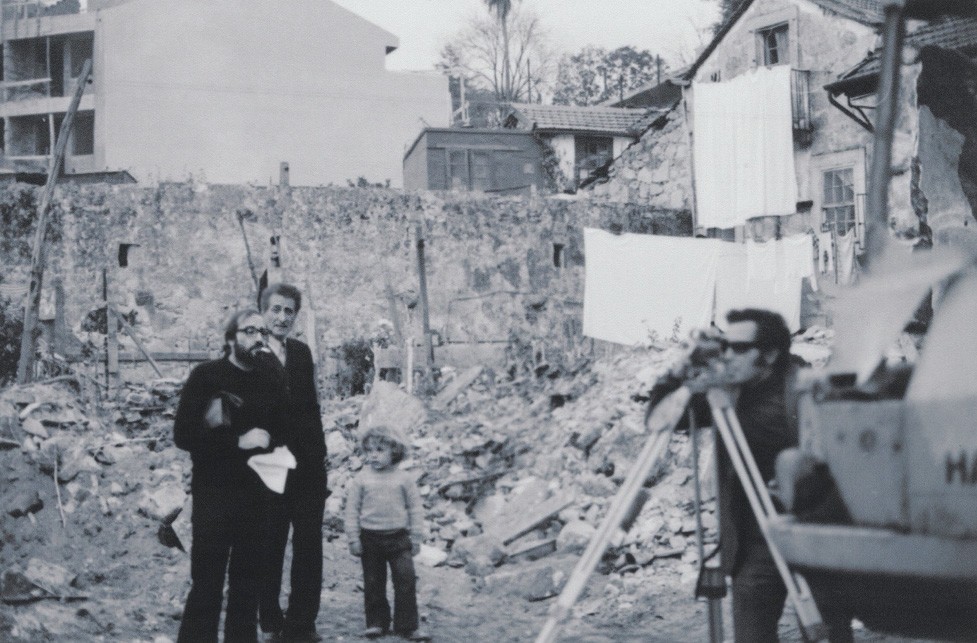
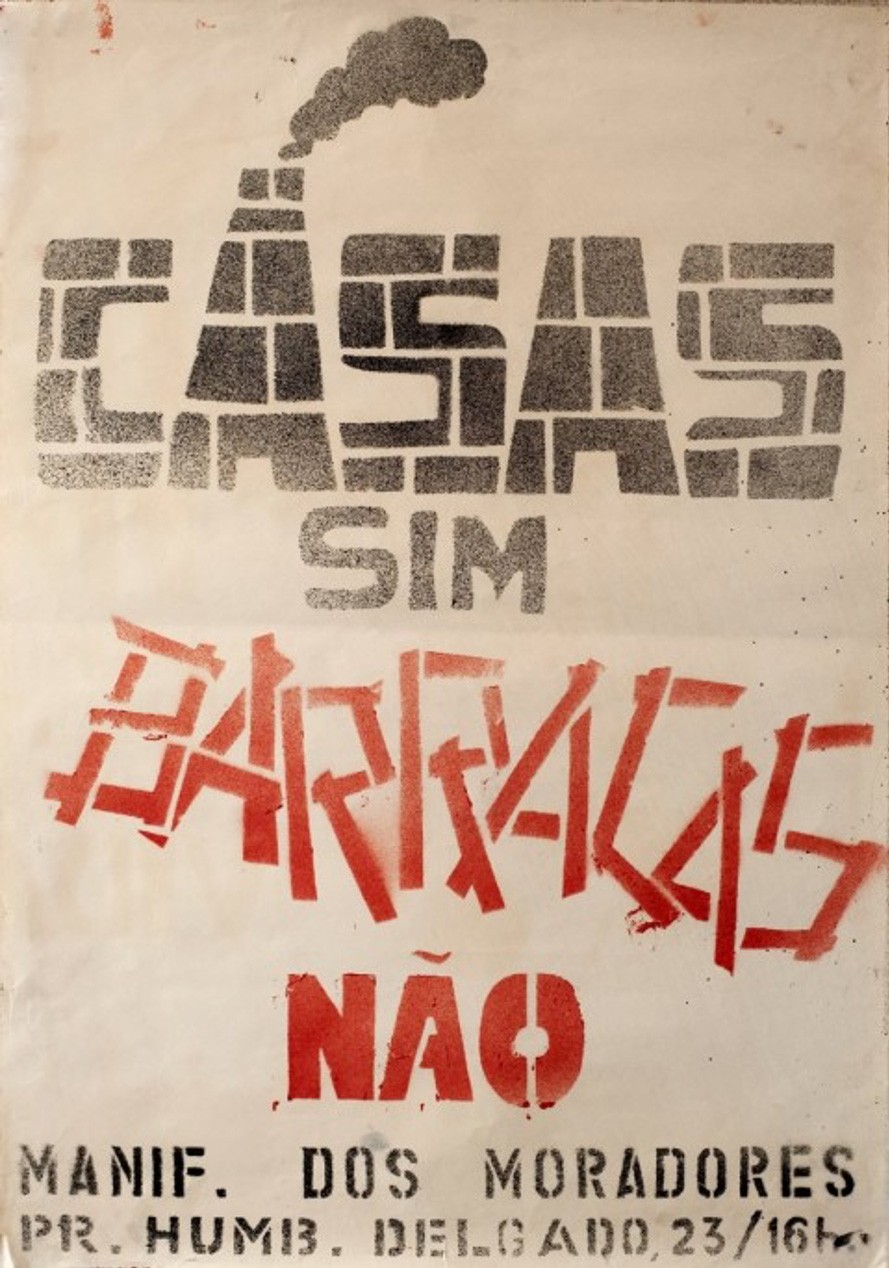
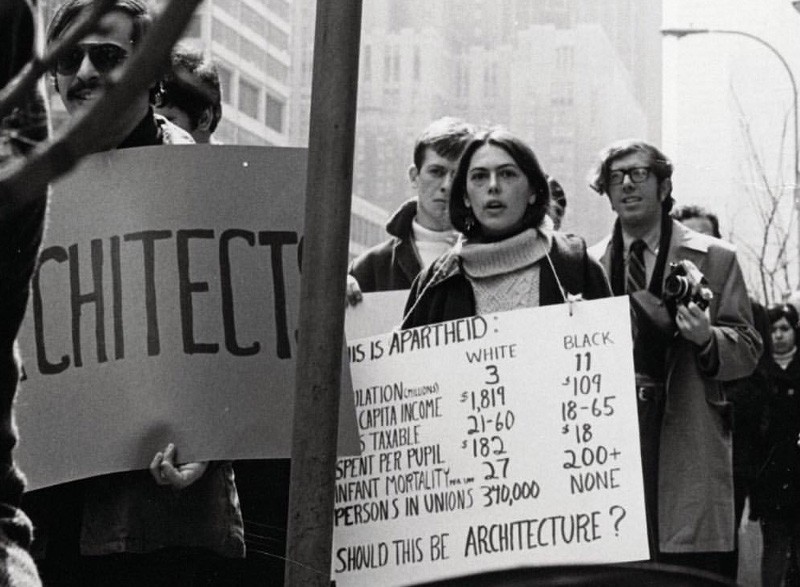
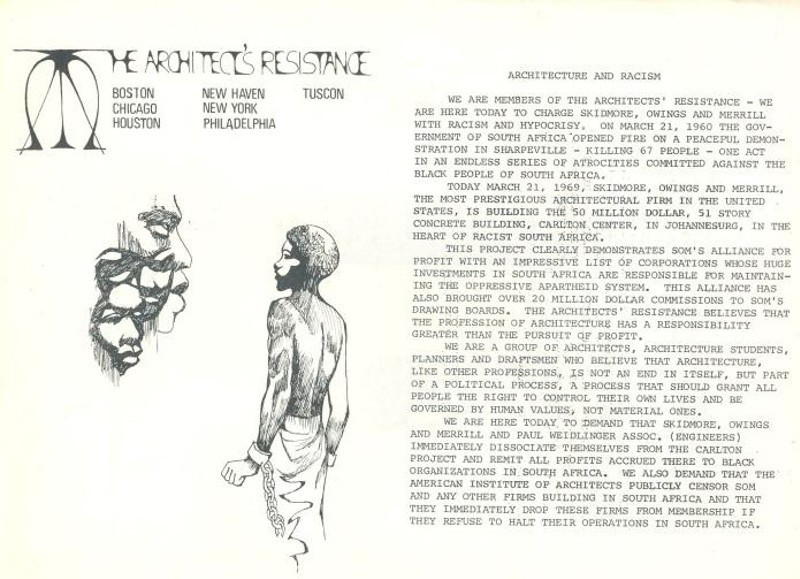
Investigating the projects of ILAUD (International Laboratory of Architecture and Urban Design) in Italy, the ARAU (Atelier de recherche et d’action urbaines) in Belgium, and the SAAL (Service for Local Mobile Support) in Portugal, we find that participation in urban design practice can take many forms, from collective processes of design, to collaborative construction and common management. Understanding the critical differences between these different approaches can help us to refine our theories and tools of urban design. The participatory concern in the urban design process has not only a long history in practice but also in urban design education. Various experimental initiatives with participation emerged in the domain of architectural pedagogy in the late sixties, often starting from student initiatives. Good examples, examined in From Harlem to New Haven: The Emergence of the Advocacy Planning Movement in the late 1960s, are The Architects’ Resistance (TAR), a group formed in 1968 by architecture students from Columbia GSAPP, MIT Department of Architecture, and Yale School of Architecture describing itself as «a communications network, a research group, and an action group … concerned about the social responsibility of architects and the framework within which architecture is practiced», as well as the National Organization of Minority Architecture Students (NOMAS). Many of these groups emerged within the context of the struggles for civil rights and thus made a plea to have non-hegemonic or ‘other’ voices heard in the urban design process. These initiatives explored how new concepts, roles and tools for participation could become part of the education of the architect and urban designer.